


What are the symptoms of somatization of anxiety?
Nov 17, 2025
Source: Cainiu Health

Dr. Zhang Baohua
Introduction
In general, common physical symptoms of anxiety include chest tightness, palpitations, dizziness, headaches, gastrointestinal discomfort, muscle tension, and sleep disturbances. If such symptoms occur, it is recommended to promptly visit a正规 hospital for evaluation and intervention. When these symptoms arise, one should first seek medical evaluation to rule out underlying physical illnesses. Daily practices such as deep breathing and progressive muscle relaxation exercises can help alleviate tension.
Anxiety somatization typically presents with symptoms such as chest tightness and palpitations, dizziness and headaches, gastrointestinal discomfort, muscle tension, and sleep disturbances. If these symptoms occur, it is recommended to promptly visit a正规 hospital for evaluation and intervention. The specific analysis is as follows:
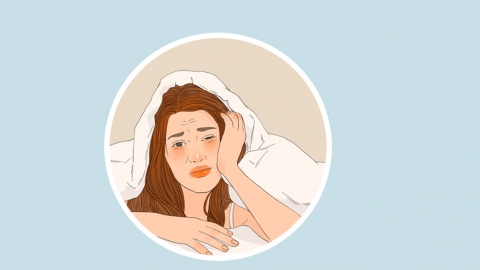
1. Chest tightness and palpitations
Anxiety triggers sympathetic nervous system activation, leading to increased heart rate and enhanced myocardial contraction, resulting in chest tightness and palpitations. Patients often feel pressure in the chest and difficulty breathing, can clearly hear their heartbeat, and experience more pronounced symptoms during emotional stress.
2. Dizziness and headaches
Anxiety disrupts the normal constriction and dilation of cerebral blood vessels, affecting cerebral blood flow. At the same time, muscle tension pulls on nerves in the head, causing dizziness and headaches. Headaches are often described as a bilateral throbbing pain in the temples or back of the head, while dizziness is commonly accompanied by a sensation of floating or unsteadiness.
3. Gastrointestinal discomfort
Emotions are closely linked to gastrointestinal function. Anxiety causes abnormal gastrointestinal motility and disordered secretion of digestive fluids, leading to gastrointestinal discomfort. Patients may experience nausea, acid reflux, bloating, diarrhea, or constipation, with symptoms often worsening after meals.
4. Muscle tension
During anxiety, the body remains in a state of stress response, with muscles unconsciously tensing in preparation for perceived "threats." Prolonged tension leads to chronic muscle tightness. Patients often report stiffness and soreness in the neck, shoulders, lower back, and back muscles, and may find it difficult to relax their hand muscles even when attempting to release a clenched fist.
5. Sleep disturbances
Persistent anxious thoughts occupy the mind, preventing relaxation and keeping neural activity elevated, which disrupts sleep. Common manifestations include difficulty falling asleep, frequent awakening during the night, inability to fall back asleep after waking, and daytime fatigue and lethargy.
If any of the above symptoms appear, it is important to first rule out underlying physical illnesses at a hospital. In daily life, techniques such as deep breathing and progressive muscle relaxation can help reduce tension. Regular exercise and a light, balanced diet also contribute to improved well-being. If symptoms persist, timely psychological support and professional counseling are strongly advised.





