


What are the symptoms of postpartum depression?
Nov 17, 2025
Source: Cainiu Health

Dr. Zhang Lu
Introduction
Postpartum depression is a common emotional disorder among women after childbirth, with associated symptoms including low mood, irritability, weak parent-child bonding, sleep disturbances, exhaustion, and reduced cognitive function. Understanding and support from family members play a crucial role in alleviating postpartum depression. Appropriately sharing caregiving responsibilities and offering emotional care can help the mother gradually adjust her condition and regain confidence in life.
Postpartum depression is a common emotional disorder among women after childbirth, with associated symptoms including low mood and irritability, weak parent-infant bonding, sleep disturbances, exhaustion of energy, and cognitive decline. A detailed analysis is as follows:
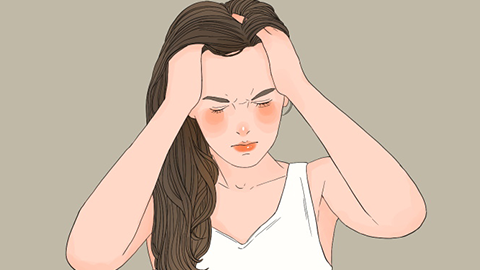
1. Low mood and irritability: Patients often remain in a prolonged state of emotional distress, losing interest in activities they once enjoyed and easily becoming upset over minor issues. They may also experience intense mood swings, suddenly overwhelmed by feelings of frustration or anger, leading to conflicts with family members, followed by frequent episodes of guilt afterward.
2. Weak parent-infant bonding: When facing the newborn, affected individuals may struggle to feel closeness or affection, sometimes even avoiding infant care tasks or refusing physical contact with the baby. Some may excessively worry about their inability to fulfill the role of a mother, or feel extreme impatience toward the baby's crying.
3. Sleep disturbances: Even when the newborn is sleeping soundly, mothers may find it difficult to enter deep sleep, commonly experiencing problems such as difficulty falling asleep, vivid dreams, and frequent awakenings. They often wake up too early in the morning, feeling exhausted upon waking, and these sleep issues do not improve even with increased rest time.
4. Exhaustion of energy: Affected individuals often feel extremely fatigued during daily activities, struggling to complete simple household chores such as cooking or laundry. Physical symptoms such as dizziness and general weakness may accompany this fatigue, and rest does not effectively restore energy, leaving them appearing listless and drained.
5. Cognitive decline: Concentration becomes difficult, thinking feels sluggish, and memory noticeably deteriorates, often resulting in missed feeding times or forgotten important tasks. Decision-making becomes hesitant, and there is a reduced ability to plan or manage daily responsibilities.
Understanding and support from family members play a crucial role in improving postpartum depression. Sharing caregiving responsibilities appropriately and offering consistent emotional care can help the mother gradually adjust her mental state and regain confidence in life.




