


What are the early symptoms of postpartum depression?
Nov 21, 2025
Source: Cainiu Health

Dr. Zhang Baohua
Introduction
Postpartum depression is a common psychological disorder following childbirth. Early symptoms mainly include persistent low mood, markedly reduced interest, sleep disturbances, irritability, and changes in cognitive function. Family members should pay close attention to the mother's emotional changes, offer full understanding and companionship, and actively share parenting responsibilities. Mothers themselves can also regulate their emotions through moderate exercise and talking about their feelings.
Postpartum depression is a common psychological disorder following childbirth. Early symptoms mainly include persistent low mood,明显 reduced interest, sleep disturbances, irritability, cognitive changes, etc. The details are as follows:
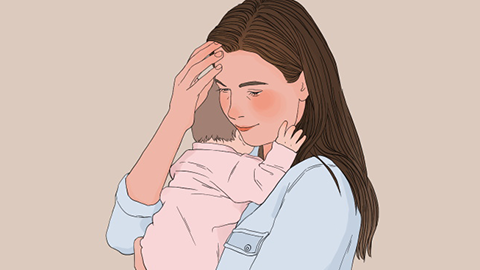
1. Persistent low mood: Mothers often feel emotionally suppressed and sad, lacking joy in life, with noticeably less smiling. They experience significant mood swings, may burst into tears over minor issues, and even feel despair and helplessness. This depressed mood does not completely improve with brief reassurance.
2. Markedly reduced interest: Women lose interest in activities they previously enjoyed, including diminished enthusiasm for caring for their baby. They may feel overwhelmed or emotionally numb when faced with the baby's crying. They avoid social interactions, prefer to be alone, and deliberately withdraw from communication with others.
3. Sleep disturbances: Symptoms include difficulty falling asleep, frequent awakening at night with inability to fall back asleep, or excessive sleeping yet still feeling fatigued upon waking. Unlike general postpartum physical exhaustion, these sleep problems do not improve easily with rest and can further exacerbate mental fatigue.
4. Increased irritability: The mother may become more sensitive and prone to anger, easily triggered by small oversights from family members or differences in parenting views, leading to arguments or emotional outbursts. She may later feel guilty, but episodes of losing emotional control continue to recur.
5. Cognitive changes: Difficulty concentrating and memory decline are common. Mothers may respond slowly and struggle with decision-making when handling childcare tasks. Some develop feelings of self-blame and guilt, excessively focus on their perceived shortcomings, and may even harbor thoughts of self-denial.
Family members should pay close attention to the mother’s emotional changes, offer full understanding and companionship, and actively share parenting responsibilities. Mothers themselves can also regulate their emotions through moderate exercise and talking about their feelings, working together to create a warm and supportive environment for postpartum recovery.




