


What are the symptoms of mild depression?
Nov 17, 2025
Source: Cainiu Health

Dr. Zhang Baohua
Introduction
Mild depression is a type of emotional disorder characterized primarily by low mood, sleep disturbances, reduced interest, cognitive slowing, and lack of energy. It often manifests as unexplained feelings of sadness, a lack of positive emotions toward surrounding events, and a tendency to fall into low moods over minor issues, with difficulty in self-regulation. This emotional state is not a temporary fluctuation; it may persist for several weeks and is often accompanied by a noticeable decrease in spontaneous smiling during daily activities.
Mild depression is a type of emotional disorder characterized primarily by low mood, sleep disturbances, loss of interest, cognitive slowing, and lack of energy. A detailed explanation is as follows:
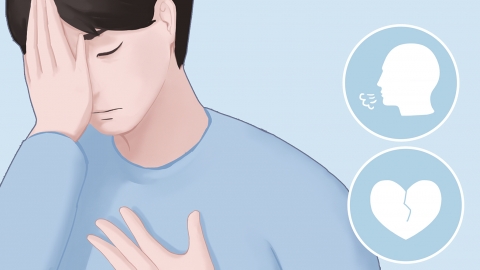
1. Low mood: This often manifests as unexplained feelings of sadness and a lack of positive emotions toward surroundings. Individuals may easily fall into low moods over minor issues and find it difficult to regulate their emotions independently. This state is not a temporary fluctuation but may persist for several weeks. Affected individuals smile less frequently in daily life and tend to be quiet and frowning, a noticeable change from their previously cheerful demeanor.
2. Sleep disturbances: There are significant changes in sleep patterns. Some people experience difficulty falling asleep, tossing and turning in bed without being able to drift off. Others may wake up early in the morning and are unable to fall back asleep, resulting in shortened total sleep duration and reduced sleep quality.
3. Loss of interest: Individuals lose interest in activities they once enjoyed. Previously favored sports, hobbies, or social events no longer motivate them to participate. They often decline invitations with various excuses, leading to a lack of joyful activities in life and an increasing sense of emptiness.
4. Cognitive slowing: Thinking and reaction speed slow down. When communicating with others, individuals need more time to organize their thoughts. It becomes difficult to concentrate, and distractions and forgetfulness commonly occur during work or study. Even simple tasks are completed less efficiently, often accompanied by self-critical or negative thinking.
5. Lack of energy: People constantly feel fatigued and weak during daily activities. Even without engaging in physically demanding work, they experience bodily tiredness easily. Movements become sluggish, vitality diminishes, and completing routine tasks requires extra effort, often leading to procrastination.
Paying timely attention to emotional changes, actively communicating with family and friends, and cultivating positive lifestyle habits can help alleviate these symptoms and restore normal daily functioning.



