


What illness causes irritability, agitation, anxiety, restlessness, and outbursts of anger?
Nov 17, 2025
Source: Cainiu Health

Dr. Zhang Baohua
Introduction
Irritability, agitation, anxiety, restlessness, and outbursts of anger may be caused by factors such as sleep deprivation, hormonal fluctuations, anxiety disorders, hyperthyroidism, or neurasthenia. These symptoms can be improved through catching up on sleep, adequate rest, emotional regulation, or medication. If symptoms persist or worsen and begin to affect daily life, prompt medical attention is necessary. Chronic late-night habits or poor sleep quality prevent the brain from getting sufficient rest.
Feeling irritable, anxious, restless, and prone to outbursts may be caused by factors such as sleep deprivation, hormonal fluctuations, anxiety disorders, hyperthyroidism, or neurasthenia. These symptoms can be improved through adequate rest, emotional regulation, and medication. If symptoms persist or worsen and begin to affect daily life, prompt medical attention is recommended.
1. Sleep Deprivation: Chronic late nights or poor sleep quality prevent the brain from getting sufficient rest, reducing its ability to regulate emotions, which can lead to irritability, anxiety, and restlessness. It is recommended to maintain a regular sleep schedule with 7–8 hours of sleep per night, avoid electronic devices before bedtime, and create a quiet, restful sleeping environment.
2. Hormonal Fluctuations: Changes in hormone levels during menstruation, pregnancy, or menopause in women can affect nervous system regulation, leading to mood swings, irritability, and anxiety. Maintaining a calm mindset, engaging in moderate exercise to relieve stress, and eating a balanced diet rich in essential nutrients are advised.
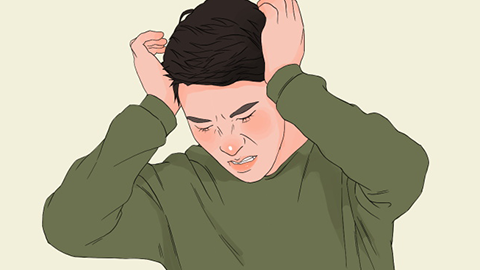
3. Anxiety Disorder: Prolonged mental stress or excessive psychological pressure can result in persistent anxiety, manifesting as irritability, agitation, restlessness, accompanied by palpitations and insomnia. Patients may take medications such as sertraline tablets, paroxetine tablets, or lorazepam tablets under medical supervision to alleviate symptoms.
4. Hyperthyroidism: Excessive secretion of thyroid hormones increases metabolism and causes nervous system overactivity, resulting in irritability, anxiety, restlessness, along with palpitations, excessive sweating, and weight loss. It is recommended to use medications such as methimazole tablets, propylthiouracil tablets, or propranolol tablets under a doctor’s guidance to relieve discomfort.
5. Neurasthenia: Prolonged fatigue or mental strain can lead to dysfunction of the nervous system, causing emotional excitability, anxiety, irritability, along with fatigue and difficulty concentrating. Patients may follow medical advice to use medications such as oryzanol tablets, vitamin B1 tablets, or flupentixol-melitracen tablets to improve symptoms.
Maintain a regular作息 routine and ensure sufficient sleep, eat a light and nutritionally balanced diet, engage moderately in activities such as walking or yoga, and communicate regularly with others to share feelings and reduce psychological stress.


