


What causes eye fatigue and blurred vision?
Nov 17, 2025
Source: Cainiu Health

Dr. Wang Shuai
Introduction
In general, eye fatigue and blurred vision may be caused by overuse of the eyes, environmental irritation, dry eye syndrome, refractive errors, glaucoma, or other conditions. It is recommended to seek medical attention promptly, identify the underlying cause, and receive appropriate treatment under a doctor's guidance. In daily life, ensure adequate sleep to allow your eyes sufficient rest. Include foods rich in vitamin A and anthocyanins, such as carrots and blueberries, in your diet.
Under normal circumstances, eye fatigue and blurred vision may be caused by factors such as eye strain, environmental irritation, dry eye syndrome, refractive errors, or glaucoma. It is recommended to seek medical attention promptly, identify the underlying cause, and receive appropriate treatment under a doctor's guidance. Specific analysis is as follows:
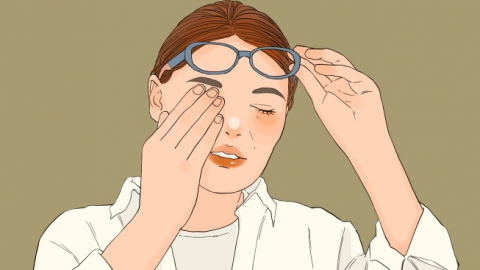
1. Eye strain: Prolonged use of electronic devices or close-up reading can keep the ciliary muscle in constant tension, easily leading to eye fatigue and blurred vision. Take a 5-minute break every 30 minutes of screen use, look into the distance to relax the eyes, adjust screen brightness and viewing distance, and maintain a slightly downward gaze angle.
2. Environmental irritation: Long-term exposure to dry, brightly lit, or dusty environments accelerates tear evaporation and irritates the cornea, causing discomfort. Use a humidifier indoors to maintain proper humidity, wear blue-light-blocking glasses or sunglasses in bright light, and protect the eyes in dusty environments.
3. Dry eye syndrome: Insufficient or poor-quality tear production leads to inadequate ocular surface lubrication, resulting in eye fatigue, blurred vision, dryness, and a foreign body sensation. Follow medical advice to use medications such as sodium hyaluronate eye drops, polyethylene glycol eye drops, or carboxymethylcellulose sodium eye drops for relief.
4. Refractive errors: Including myopia (nearsightedness), hyperopia (farsightedness), and astigmatism, where parallel light rays fail to focus accurately on the retina, easily causing visual fatigue and blurriness. Visit a qualified institution for an eye examination and corrective lenses. Alternatively, consider procedures like SMILE laser surgery, which reshapes the cornea to correct refractive errors and improve vision.
5. Glaucoma: Elevated intraocular pressure damages the optic nerve. Early symptoms include eye fatigue and blurred vision, which may progress to permanent vision loss if untreated. Follow medical instructions to use eye drops such as brinzolamide, timolol maleate, or brimonidine tartrate to control eye pressure. In some cases, surgical intervention like trabeculectomy may be required to drain aqueous humor and lower pressure.
In daily life, ensure adequate sleep to allow sufficient eye rest. Increase intake of foods rich in vitamin A and anthocyanins—such as carrots and blueberries—and schedule regular eye checkups to maintain long-term eye health.




