What should I do for redness and swelling in the inner corner of the eye?
Nov 17, 2025
Source: Cainiu Health

Dr. Wang Shuai
Introduction
In general, redness and swelling of the inner corner of the eye may be caused by foreign body irritation, eye strain, angular blepharitis, hordeolum (stye), dacryocystitis, or other reasons. It is recommended to seek timely medical attention, identify the underlying cause, and then improve the condition under a doctor's guidance through general measures, medication, or other treatments. In daily life, maintain good eye hygiene, use a personal towel, and disinfect it regularly.
Under normal circumstances, redness and swelling of the inner corner of the eye may be caused by foreign body irritation, eye strain, angular blepharitis, hordeolum (stye), or dacryocystitis. It is recommended to seek medical attention promptly, identify the underlying cause, and follow a doctor's guidance for improvement through general management, medication, or other treatments. Specific analyses are as follows:
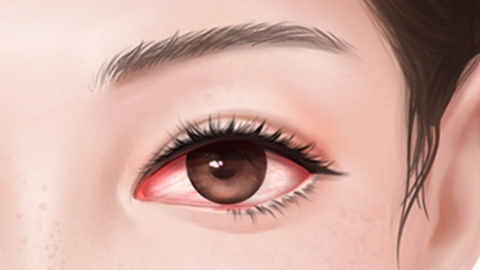
1. Foreign body irritation: Dust, sand, or eyelashes entering the eye can rub against the conjunctiva of the inner eye corner, causing redness and swelling accompanied by a foreign body sensation and tearing. Avoid rubbing the eyes with hands; instead, gently blink with eyes closed to help expel the foreign object, or gently rinse the eye with sterile saline solution. After removal, apply a clean towel compress to relieve discomfort.
2. Eye strain: Prolonged focus on electronic screens causes tension in the muscles around the inner eye corner and sustained contraction of the ciliary muscle, leading to congestion and redness. Take a 5-minute break every 30 minutes of screen use to look into the distance. Adjust screen brightness to match ambient lighting. Perform eye-area massage twice daily, focusing on pressing the inner eye corner and temples to relax the muscles.
3. Angular blepharitis: Inflammation of the eyelid margin at the inner eye corner caused by bacterial infection or vitamin B2 deficiency, characterized by redness, swelling, pain, and scaling. Clean the inner eye corner daily with warm water. Follow medical advice to use medications such as zinc sulfate eye drops, erythromycin eye ointment, or hydrochloride chlortetracycline eye ointment, and increase intake of foods rich in vitamin B2.
4. Hordeolum (stye): Infection of hair follicles or sebaceous glands at the inner eye corner by staphylococcus bacteria, forming a painful, red, swollen nodule that may develop pus in severe cases. Apply warm compresses using a clean towel for 10 minutes during early stages. Use medications such as tobramycin eye drops, levofloxacin eye drops, or fusidic acid cream as directed by a physician. Avoid squeezing the nodule.
5. Dacryocystitis: Nasolacrimal duct obstruction leads to tear accumulation and bacterial growth, resulting in redness and swelling of the inner eye corner, accompanied by excessive tearing and increased discharge. Follow medical advice to use antibiotics such as cefaclor capsules, amoxicillin-clavulanate potassium tablets, or tobramycin-dexamethasone eye drops to control infection. In some cases, lacrimal duct probing may be required to clear the blockage.
Maintain good eye hygiene in daily life—use personal towels and disinfect them regularly. Avoid spicy and irritating foods, and consume more fresh fruits and vegetables to supplement vitamins. Avoid staying up late, ensure sufficient sleep, reduce eye strain, and promote recovery from redness and swelling in the inner eye corner.