


What causes redness and swelling of the lower eyelid, and how should it be managed?
Nov 18, 2025
Source: Cainiu Health

Dr. Wang Lei
Introduction
In general, redness and swelling of the lower eyelid may be caused by eye strain, external irritation, hordeolum (stye), blepharitis, or dacryocystitis. It is recommended to seek timely medical attention, identify the underlying cause, and then improve the condition under a doctor's guidance through general measures, medication, or other treatments. Maintain good eye hygiene in daily life, avoid touching the eyes with dirty hands, and reduce the use of eye cosmetics.
Under normal circumstances, redness and swelling of the lower eyelid may be caused by eye strain, external irritation, hordeolum (stye), blepharitis, or dacryocystitis. It is recommended to seek medical attention promptly, identify the underlying cause, and then improve symptoms under a doctor's guidance through general treatments, medications, etc. Specific analyses are as follows:
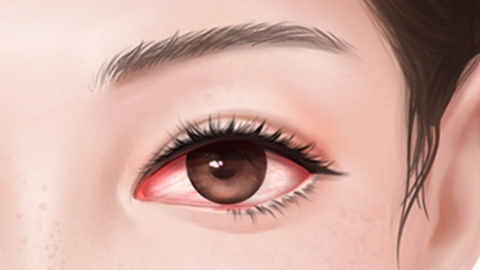
1. Eye strain: Prolonged screen time or staying up late can tense the eye muscles and impair blood circulation, leading to redness, swelling, and soreness in the lower eyelid. To relieve this, take a 5-minute break every 40 minutes of screen use to look into the distance; ensure 7–8 hours of sleep each night; and apply a warm compress with a towel at about 40°C for 10 minutes to promote ocular circulation.
2. External irritation: Rubbing the eyes vigorously or insect bites can damage the lower eyelid tissue, causing redness, swelling, and itching. Avoid touching or rubbing your eyes with your hands. Clean the area with water after insect bites, and if swelling is significant, use medications such as tobramycin eye drops, erythromycin eye ointment, or chlortetracycline hydrochloride eye ointment as directed by a physician.
3. Hordeolum (stye): Acute inflammation caused by bacterial infection of the eyelid glands leads to red, swollen lumps on the lower eyelid accompanied by pain. Frequent warm compresses are recommended during the early stage. Use levofloxacin eye drops, erythromycin eye ointment, or tobramycin eye ointment as prescribed. If an abscess forms, incision and drainage surgery may be required to remove pus and promote healing.
4. Blepharitis: Excessive sebum secretion at the eyelid margin can lead to bacterial infection, resulting in redness, swelling, flaking of the lower eyelid, and a foreign body sensation. Clean the eyelid margin daily with saline solution and use tetracycline hydrochloride eye ointment, erythromycin eye ointment, or ofloxacin eye drops as prescribed. Maintain good eye hygiene.
5. Dacryocystitis: Blockage of the tear duct causes bacterial infection in the lacrimal sac, with inflammation spreading to cause lower eyelid swelling, along with tearing and pus discharge. Take oral antibiotics such as cefixime capsules, amoxicillin capsules, or levofloxacin tablets as prescribed to control infection. Surgical intervention such as dacryocystorhinostomy (DCR) may be needed to create a new passage between the lacrimal sac and nasal cavity to resolve the blockage.
Maintain good eye hygiene in daily life—avoid touching your eyes with dirty hands and reduce the use of eye cosmetics. Eat a light diet, avoid spicy foods, consume more foods rich in vitamin A, maintain regular sleep patterns, and support healthy recovery of the eyes.







