


Is glaucoma an eye fundus disease?
Nov 18, 2025
Source: Cainiu Health

Dr. Wang Lei
Introduction
Typical fundus diseases primarily refer to lesions occurring in the structures of the fundus, such as the retina, macula, and vitreous body, including diabetic retinopathy and macular degeneration. In contrast, glaucoma mainly results from elevated intraocular pressure leading to optic nerve damage, with the core pathology being optic nerve atrophy. Although it affects the optic nerve in the fundus, its pathogenesis and primary site of lesion differ significantly from those of typical fundus diseases; therefore, it is not classified as a fundus disease.
Generally speaking, glaucoma is not considered a typical fundus disease, although it damages the optic nerve at the back of the eye. It is related to fundus diseases but differs fundamentally. If you have any concerns, it is recommended to seek medical advice early. Detailed analysis is as follows:
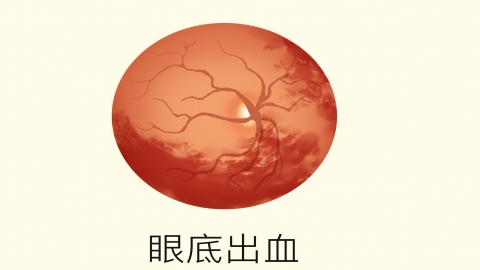
Typical fundus diseases primarily refer to lesions occurring in the retina, macula, vitreous body, and other posterior segment structures of the eye, such as diabetic retinopathy and age-related macular degeneration. In contrast, glaucoma mainly results from elevated intraocular pressure leading to optic nerve damage. The core pathology involves optic nerve atrophy. Although it affects the optic nerve in the fundus, its pathogenesis and primary site of lesion are distinctly different from those of typical fundus diseases; therefore, glaucoma is not classified as a fundus disease.
As glaucoma progresses over time, it can lead to enlargement of the optic cup, thinning of the retinal nerve fiber layer, and consequently affect the structure and function of the fundus. This may result in combined damage with other fundus diseases, exacerbating vision loss. In such cases, although glaucoma and fundus diseases may influence each other, it is essential to differentiate their underlying causes through professional examinations and implement targeted treatments—these conditions should not be regarded as equivalent.
In daily life, pay attention to any eye discomfort. If symptoms such as eye pressure, headache, or narrowed visual field occur, promptly seek medical evaluation for intraocular pressure and optic nerve health. Regular eye exams are especially important for individuals with a family history of glaucoma. Once diagnosed, follow medical instructions to control intraocular pressure, protect the optic nerve, and prevent disease progression that could impair vision.




