


Can diabetes cause myopia?
Nov 18, 2025
Source: Cainiu Health

Dr. Gao Jun
Introduction
If a diabetic patient experiences a rapid increase in blood glucose levels over a short period, it can alter the osmotic pressure within the eye's lens, increase its water content, and enhance its refractive power, leading to temporary myopia. This manifests as sudden blurred vision and difficulty seeing distant objects. This condition is not true myopia caused by structural changes in the eye; once blood glucose levels are stabilized through treatment, the lens gradually returns to its normal state.
Under normal circumstances, severe blood glucose fluctuations in diabetes may cause temporary myopia, which often resolves once blood glucose stabilizes. Long-term uncontrolled blood sugar leading to eye complications generally does not directly cause true (permanent) myopia. If concerned, it is recommended to seek medical advice promptly. Detailed analysis is as follows:
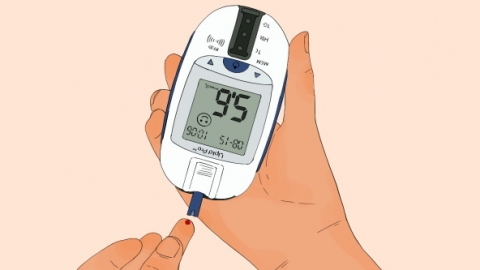
If a diabetic patient experiences a rapid increase in blood glucose over a short period, it can alter the osmotic pressure within the eye's lens, increasing its water content and enhancing its refractive power. This results in temporary myopia, manifesting as sudden blurred vision and difficulty seeing distant objects. This condition is not true myopia caused by structural changes in the eyeball. Once blood glucose is stabilized through treatment, the lens gradually returns to normal, and the myopic symptoms typically improve or disappear.
If a diabetic patient has persistently poor blood glucose control over a long period, it may lead to ocular complications such as diabetic retinopathy and cataracts. Although these do not directly cause true myopia, they can severely impair vision, causing symptoms like decreased visual acuity and distorted vision. These eye damages are often irreversible and require targeted treatments to control disease progression. They are fundamentally different from the temporary myopia caused by blood glucose fluctuations and should not be confused.
Diabetic patients should regularly monitor their blood glucose levels to avoid significant fluctuations; undergo eye examinations every six months to one year to screen for retinal and lens abnormalities; and seek prompt medical attention if sudden vision changes occur, to distinguish between temporary, glucose-related myopia and serious ocular complications, thereby preventing delayed intervention.





