What are the risks of pupil dilation in children?
Nov 18, 2025
Source: Cainiu Health

Dr. Zhou Xiaofeng
Introduction
Potential risks associated with pupil dilation in children generally include temporary blurred vision, light sensitivity, eye discomfort, rare allergic reactions, and difficulty with near vision. Dilation medications relax the ciliary muscles of the eye, temporarily impairing the lens's ability to adjust focus. As a result, children may experience temporary blurred vision, particularly when looking at nearby objects, a condition that typically lasts from several hours to a few days.
Potential risks associated with pupil dilation in children generally include temporary blurred vision, light sensitivity, eye discomfort, rare allergic reactions, and difficulty with near vision. The specific details are as follows:
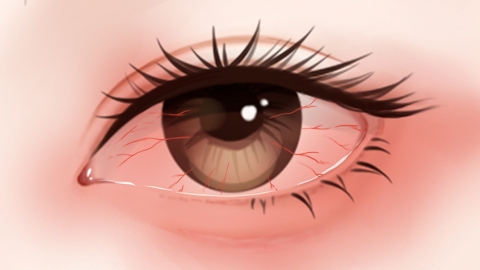
1. Temporary blurred vision: Dilation medications relax the ciliary muscles of the eye, temporarily impairing the lens's ability to adjust focus. This causes temporary blurred vision in children, especially when viewing close objects (such as books or toys). This symptom typically lasts from several hours to a few days, potentially affecting normal learning and play activities.
2. Light sensitivity: After dilation, the pupils enlarge, allowing more light to enter the eyes. This increases children's sensitivity to light, leading to photophobia. Symptoms may include squinting or avoiding bright lights. Children should protect their eyes outdoors; otherwise, discomfort may occur and normal outdoor activities could be affected.
3. Eye discomfort: Some children may experience dryness, a foreign body sensation, or mild stinging after using dilation drops. These symptoms are usually mild, but in children with lower tolerance, discomfort may persist for some time. Frequent blinking or rubbing of the eyes may increase the risk of eye infections.
4. Rare allergic reactions: A very small number of children may be allergic to components of the dilation medication, resulting in redness, itching, and in severe cases, facial rashes or eyelid swelling. If the medication is not discontinued promptly, the allergic reaction may worsen and affect eye health.
5. Impaired near vision: During dilation, children's ability to focus on near objects is reduced, making reading, writing, or performing fine motor tasks difficult. Forcing near work during this period may exacerbate eye strain and even temporarily delay visual recovery. Close-up visual activities should therefore be suspended.
Prior to undergoing pupil dilation, children should be evaluated by a doctor to ensure there is no history of drug allergy. If severe discomfort occurs, medical attention should be sought immediately to ensure the child's eye safety.