


How is the degree of myopia calculated?
Nov 18, 2025
Source: Cainiu Health

Dr. Zhou Xiaofeng
Introduction
During an eye refraction examination, doctors or optometrists use instruments such as phoropters and autorefractors to measure parameters including corneal refractive power and axial length of the eye. When parallel light enters the eye and focuses in front of the retina, the distance between this focal point and the retina is converted into myopia measurement, typically expressed in diopters (D). One diopter equals 100 degrees of myopia.
Generally, the degree of myopia is determined through a professional optometric examination, calculated based on the deviation between the eye's refractive state and the focal point of incoming light. If there are any concerns, it is recommended to seek medical advice in advance. Detailed analysis is as follows:
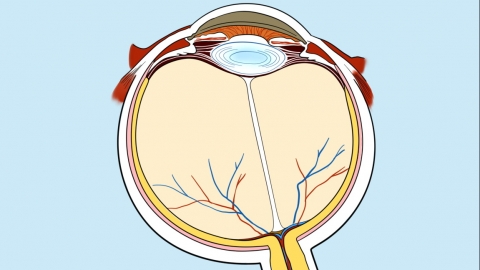
During an eye examination, doctors or optometrists use instruments such as comprehensive refractors and automated refractors to measure parameters including corneal refractive power and axial length of the eye. When parallel light enters the eye and focuses in front of the retina, the distance between this focal point and the retina is converted into the degree of myopia, expressed in diopters (D). One diopter equals 100 degrees; the greater the deviation, the higher the degree of myopia. This process also involves subjective refraction testing and fine-tuning to ensure the prescription accurately meets visual needs.
The degree of myopia is categorized into different ranges based on examination results: generally, less than 300 degrees is considered mild myopia, 300 to 600 degrees is moderate myopia, and over 600 degrees is high myopia. This classification is not only based on refractive values but also incorporates structural data such as axial length, helping to identify the type of myopia (e.g., axial or refractive myopia) and guiding subsequent corrective strategies (such as eyeglasses or myopia control treatments).
To accurately determine the degree of myopia, individuals should undergo a cycloplegic refraction at a reputable ophthalmic clinic or professional optometry center, avoiding unprofessional equipment that may lead to inaccurate measurements. After the examination, vision should be corrected promptly as advised, and regular follow-up exams are necessary to monitor changes in refractive error.




