


How to Determine the Cause of a Sore Throat
Nov 19, 2025
Source: Cainiu Health

Dr. Lu Cheng
Introduction
To determine the cause of a sore throat, one can comprehensively identify the underlying factors by evaluating the nature of the pain, examining the appearance of the throat, noting accompanying symptoms, tracing potential triggers, and assessing the duration of pain. If the sore throat is severe, continuously worsening, or accompanied by difficulty breathing, prompt medical attention is recommended. Stabbing or burning pain is often due to inflammatory irritation, such as acute pharyngitis.
To determine the cause of a sore throat, one can comprehensively identify the underlying factors by observing the nature of pain, examining the appearance of the throat, noting accompanying symptoms, tracing potential triggers, and evaluating the duration of pain. If the sore throat is severe, progressively worsening, or accompanied by difficulty breathing, prompt medical attention is recommended.
1. Observe the nature of pain: Sharp or burning pain is often caused by inflammatory irritation, such as acute pharyngitis; severe pain during swallowing may indicate tonsillitis or peritonsillar abscess; dull or mild persistent pain is commonly seen in chronic pharyngitis or laryngopharyngeal reflux.
2. Examine the throat appearance: Use a mirror to check for signs such as redness and swelling of the throat mucosa with follicular hyperplasia, which are typical of pharyngitis; enlarged tonsils with pus suggest suppurative tonsillitis; white pseudomembranes on the mucosa may indicate serious infections like diphtheria.
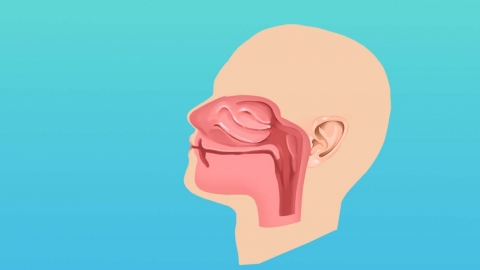
3. Note accompanying symptoms: Fever and runny nose may point to an upper respiratory tract infection; hoarseness is often due to laryngitis; difficulty swallowing warrants evaluation for epiglottitis; heartburn and acid regurgitation may suggest laryngopharyngeal reflux.
4. Trace potential triggers: Recent exposure to cold or fatigue may trigger viral pharyngitis; prolonged voice overuse can lead to laryngitis; consuming spicy or irritating foods may damage the throat mucosa; exposure to dust or allergens may induce allergic pharyngitis.
5. Evaluate pain duration: Pain lasting within 1–2 weeks is typically due to acute infection; if symptoms persist beyond two weeks without improvement, possible causes include chronic inflammation, foreign body in the throat, or other organic conditions requiring further investigation.
In daily life, drink plenty of warm water to keep the throat moist, avoid loud speaking and spicy or irritating foods, maintain regular sleep patterns to boost immunity, rinse the mouth with warm salt water to clean the throat, and minimize exposure to irritants to promote recovery.



