


How long after a child drinks water following a nosebleed can they undergo blood screening?
Nov 19, 2025
Source: Cainiu Health

Dr. Zhou Xiaofeng
Introduction
After a child experiences nosebleed and drinks water, blood screening should be delayed by 3–4 hours. Moderate drinking does not significantly interfere with screening results; just avoid excessive hydration. Timely screening can help identify potential issues such as blood disorders. If nosebleeds are frequent, heavy, or accompanied by skin bruising, prompt medical evaluation is recommended. Blood screening typically includes tests such as complete blood count and coagulation function.
After a child experiences nosebleeds and drinks water, wait 3–4 hours before conducting blood screening. Moderate water intake does not significantly interfere with screening results; just avoid excessive drinking. Timely screening helps identify potential blood system issues. If nosebleeds are frequent, heavy, or accompanied by skin bruising, seek medical attention promptly.
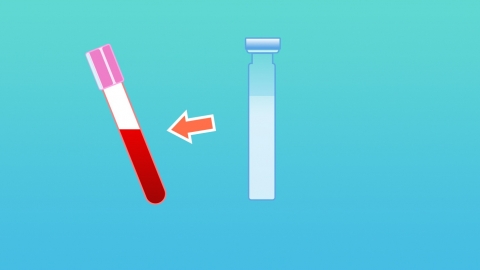
Blood screening typically includes tests such as complete blood count and coagulation function. Drinking large amounts of water in a short time may slightly dilute the blood, but after moderate hydration followed by a 3–4 hour waiting period, blood components usually return to stable levels, which will not affect the assessment of key indicators like platelet count and coagulation function.
Nosebleeds in children are often caused by fragile nasal mucosa, but they may also be related to clotting disorders or low platelet counts. Timely blood screening can quickly help identify underlying causes. During the waiting period, keep the child resting quietly, avoid nose rubbing, and use proper techniques to stop any recurrent bleeding—there's no need to unnecessarily delay screening.
In daily care, provide children with warm water to prevent dryness of the nasal passages. Maintain appropriate indoor humidity, using a humidifier if needed. Discourage nose-picking and encourage gentle nose-blowing to minimize mucosal damage and reduce the risk of bleeding.






