


What causes smiling depression?
Nov 19, 2025
Source: Cainiu Health

Dr. Zhang Baohua
Introduction
In general, smiling depression may be caused by factors such as genetic predisposition, neurotransmitter imbalances, abnormal psychological defense mechanisms, social stress, or underlying major depressive episodes accompanied by emotional masking. It is recommended to seek medical help promptly, identify the underlying cause, and undergo symptomatic treatment under professional guidance. Creating an inclusive living environment and allowing oneself to express genuine emotions are also important.
Under normal circumstances, smiling depression may be caused by genetic predisposition, neurotransmitter imbalances, abnormal psychological defense mechanisms, social stress, or severe depressive episodes accompanied by emotional masking. It is recommended to seek medical attention promptly, identify the underlying cause, and receive symptomatic treatment under a doctor's guidance. Specific analyses are as follows:
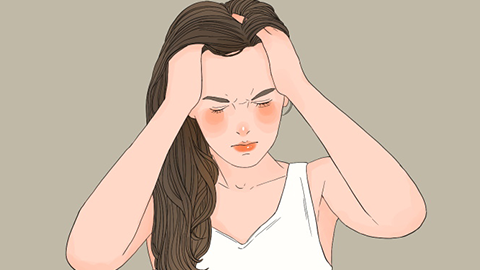
1. Genetic predisposition: Individuals with a family history of depression or mood disorders may carry susceptibility genes, increasing their risk of developing depression. Pre-pregnancy genetic counseling is advisable. Pay close attention to emotional changes in daily life, confide in family or friends when experiencing persistent low mood, and undergo regular psychological assessments for early detection and intervention.
2. Neurotransmitter imbalance: Disruptions in the secretion of serotonin, dopamine, and norepinephrine in the brain impair emotional regulation, leading to depressive feelings that are masked by forced smiles. Follow medical advice to use medications such as sertraline tablets, paroxetine tablets, or fluvoxamine maleate tablets to help restore balance.
3. Abnormal psychological defense mechanisms: A habitual use of smiling as a defense mechanism prevents individuals from showing vulnerability, resulting in long-term suppression of emotions such as sadness and anger, which may lead to depression. Under the guidance of a mental health professional, learn healthy ways to express emotions—such as journaling or painting—to articulate inner feelings and gradually break the cycle of "compulsive smiling."
4. Social stress: Maintaining a professional smile at work or being expected to appear cheerful in daily life can lead to prolonged emotional suppression when these outward expressions conflict with inner feelings. Learn to appropriately refuse unreasonable emotional expectations, communicate honestly with trusted individuals about true feelings, and adjust social rhythms to avoid excessive emotional exhaustion from over-socializing.
5. Severe depressive episode with emotional masking: As depressive symptoms worsen, individuals may deliberately maintain a smile in public due to fear of judgment or stigma, while experiencing emotional breakdowns when alone. Immediately seek help from a psychiatrist. Follow medical recommendations to use medications such as venlafaxine extended-release tablets, mirtazapine tablets, or trazodone hydrochloride tablets, combined with cognitive behavioral therapy to correct cognitive distortions.
In daily life, cultivate hobbies to divert negative emotions, increase dietary intake of foods rich in B vitamins, and avoid using alcohol to cope with emotional distress. Create an inclusive living environment that allows expression of genuine emotions. Through comprehensive interventions, gradually overcome emotional difficulties and maintain mental well-being.






