


What causes a depression on the right forehead, and what should be done about it?
Dec 01, 2025
Source: Cainiu Health

Dr. Liu Wenmin
Introduction
In general, a depression on the right forehead may be caused by congenital developmental differences, poor healing after acquired trauma, atrophic skin scars, lipodystrophy, or depressed lesions of the skull bone. It is recommended to seek medical attention promptly, identify the underlying cause, and then improve the condition under a doctor's guidance through conservative management, medication, surgical treatment, or other appropriate methods.
Generally, a depression on the right forehead may be caused by congenital developmental differences, poor healing after trauma, atrophic skin scars, lipodystrophy, or depressed skull lesions. It is recommended to seek medical attention promptly, identify the underlying cause, and then improve the condition under a doctor's guidance through general treatment, medication, surgery, or other methods. Specific analyses are as follows:
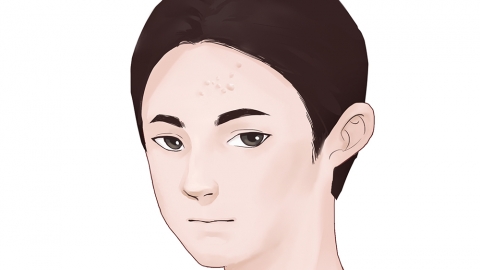
1. Congenital developmental differences: Uneven development of the skull bones or subcutaneous tissues during fetal development may lead to a physiological depression on the right forehead, which typically causes no obvious discomfort. If the indentation is shallow and does not affect appearance, special treatment may not be necessary. For those concerned about aesthetics, consulting a physician about autologous fat grafting may help improve contour.
2. Poor healing after acquired trauma: Previous impact injuries or lacerations to the right forehead may result in inadequate repair of subcutaneous tissue or skull bone, leading to a depression that might be accompanied by changes in local skin color. In the early stage after injury, cold compresses can help stop bleeding; later, warm compresses may promote tissue repair.
3. Atrophic skin scars: Acne, folliculitis, or other inflammatory conditions previously affecting the right forehead may result in collagen loss after inflammation resolves, forming a depressed scar that feels smooth and lies below the surrounding skin. Treatment should follow medical advice and may include topical applications such as silicone gel, compound heparin sodium allantoin gel, or tretinoin cream. Laser therapy may also be used to stimulate collagen regeneration.
4. Lipodystrophy: Abnormal local fat metabolism can cause atrophy of fat tissue in the right forehead, resulting in a depression that may be accompanied by loose skin. A balanced diet rich in protein is recommended. Under medical guidance, medications such as vitamin E soft capsules, vitamin C tablets, and mecobalamin tablets may be used to improve symptoms.
5. Depressed skull lesions: Skull depressions caused by trauma or bone diseases may be associated with headaches or dizziness. Imaging studies are required to confirm the diagnosis. In some cases, surgical correction (cranioplasty) may be necessary to restore normal skull shape and relieve pressure-related symptoms.
In daily life, avoid frequent pressing or rubbing of the affected area. Use sun protection when outdoors to prevent premature aging of the local skin. Maintain a regular sleep schedule and avoid staying up late to provide optimal conditions for skin and tissue repair, supporting improvement of the depression and maintenance of local health.




