


What causes nail indentation in elderly people?
Nov 28, 2025
Source: Cainiu Health

Dr. Li Feng
Introduction
In general, nail indentation in elderly individuals may be caused by insufficient nutrient absorption, prolonged pressure on the nails, iron-deficiency anemia, onychomycosis (fungal nail infection), or psoriasis. If discomfort or symptoms occur, it is recommended to seek timely medical evaluation and treatment at a正规 hospital. In daily life, maintain clean and dry nails, avoid nail injuries, trim nails regularly but not too short, and follow a balanced and varied diet.
Generally, nail indentation in elderly individuals may be caused by insufficient nutrient absorption, prolonged pressure on the nails, iron-deficiency anemia, onychomycosis (fungal nail infection), or psoriasis. If discomfort or related symptoms occur, it is recommended to seek timely medical evaluation and treatment at a reputable hospital. The specific causes are analyzed as follows:
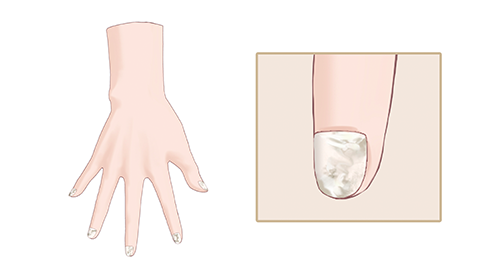
1. Insufficient Nutrient Absorption
With age, digestive function in the elderly often declines, leading to inadequate absorption of essential nutrients such as calcium and protein. This deficiency can impair nail growth and result in indentations. Adjusting the diet by consuming more eggs, milk, and soy products is recommended. Nutritional supplements may be used when necessary, and maintaining regular meal times can enhance nutrient absorption.
2. Prolonged Pressure on the Nails
Wearing tight shoes or engaging in frequent manual labor can exert continuous pressure on the nails, causing deformation and indentation of the nail plate. Switching to loose, comfortable footwear and reducing heavy hand workloads can help. Wearing gloves during manual tasks provides protection for the nails.
3. Iron-Deficiency Anemia
Iron deficiency reduces hemoglobin production, impairing blood supply to the nails and hindering their growth, which may lead to pale, indented nails. As directed by a physician, iron supplements such as ferrous fumarate tablets, sustained-release ferrous succinate tablets, or compound ferrous sulfate and folic acid tablets can be taken. Additionally, increasing dietary intake of iron-rich foods like animal liver and spinach is beneficial.
4. Onychomycosis (Fungal Nail Infection)
Fungal infections damage the nail plate structure, resulting in thickened, discolored, brittle nails with possible indentations. Under medical guidance, topical or oral antifungal treatments such as terbinafine hydrochloride cream, itraconazole capsules, or bifonazole solution may be used. Treatment should be continued consistently until new healthy nails fully grow out.
5. Psoriasis
Psoriasis, triggered by immune system dysfunction, causes inflammatory changes that affect nail growth, leading to small pitted indentations on the nail surface, often accompanied by red, scaly skin lesions. As prescribed by a doctor, topical treatments like calcipotriol ointment or tacrolimus ointment, oral medications such as acitretin capsules, or in severe cases, narrowband UVB phototherapy, may be used.
In daily life, maintain clean and dry nails and avoid trauma. Trim nails regularly but not too short. Maintain a balanced and varied diet to ensure adequate nutrition. If nail abnormalities worsen or are accompanied by other symptoms, seek medical attention promptly.





