


What dietary restrictions should patients with conjunctivitis observe?
Nov 19, 2025
Source: Cainiu Health

Dr. Huang Yuhong
Introduction
Patients with conjunctivitis should generally avoid spicy foods, greasy foods, seafood, hot-natured fruits, and stimulating beverages. Spicy foods—such as chili peppers, ginger, and garlic—are highly irritating and may exacerbate ocular inflammatory responses, leading to worsened symptoms including redness, swelling, itching, and increased discharge, which are unfavorable for the resolution of inflammation.
Patients with conjunctivitis should generally avoid spicy foods, greasy foods, seafood, hot-natured fruits, and stimulating beverages. The detailed explanations are as follows:
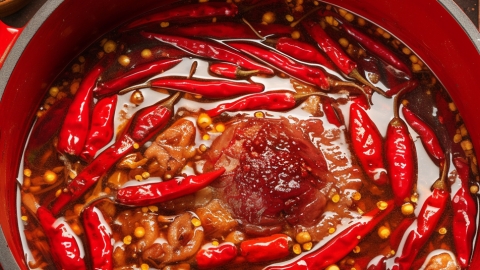
1. Spicy foods: Such as chili peppers, ginger, garlic, etc. These foods are highly irritating and may exacerbate ocular inflammatory responses, leading to worsened symptoms such as redness, itching, and increased discharge, which hinders the resolution of inflammation.
2. Greasy foods: Including fried foods, fatty meats, cream, etc. Greasy foods can impair bodily metabolism, possibly leading to accumulation of damp-heat in the body, thereby aggravating eye discomfort and delaying recovery from conjunctivitis.
3. Seafood: Such as shrimp, crab, shellfish, etc. Some patients with conjunctivitis may be allergic to seafood; consuming it could trigger an allergic reaction, worsening ocular symptoms. Even in non-allergic individuals, seafood is often considered a "trigger food" that may promote the spread of inflammation.
4. Hot-natured fruits: Such as lychee, longan, mango, etc. These fruits have a warming nature, and excessive consumption may lead to internal heat buildup, potentially worsening symptoms like eye redness and burning sensation, thus impeding recovery.
5. Stimulating beverages: Including strong tea, coffee, alcohol, etc. Ingredients in strong tea and coffee may stimulate the nervous system and increase eye fatigue. Alcohol causes blood vessel dilation, possibly leading to more pronounced eye congestion. All of these factors can negatively affect the recovery from conjunctivitis.
Patients with conjunctivitis should maintain a light, easily digestible diet in daily life, consume more fresh vegetables and cooling fruits, strictly follow medical advice regarding medication, and attend regular follow-up visits to ensure timely resolution of inflammation and prevent recurrence.






