


What medications are used to lower intraocular pressure in glaucoma?
Nov 19, 2025
Source: Cainiu Health

Dr. Wang Lei
Introduction
Medications for lowering intraocular pressure in glaucoma generally include timolol maleate ophthalmic solution, brinzolamide ophthalmic solution, latanoprost ophthalmic solution, brimonidine ophthalmic solution, and pilocarpine ophthalmic solution. Timolol maleate ophthalmic solution is a beta-blocker that reduces aqueous humor production to lower intraocular pressure. It has a stable effect and is suitable for most patients with open-angle glaucoma. However, heart rate changes should be monitored during use.
Medications commonly used to lower intraocular pressure in glaucoma include timolol maleate ophthalmic solution, brinzolamide ophthalmic solution, latanoprost ophthalmic solution, brimonidine ophthalmic solution, and pilocarpine ophthalmic solution. Detailed analysis is as follows:
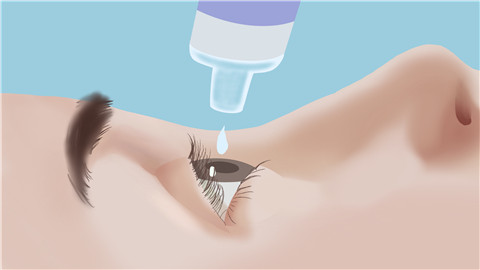
1. Timolol Maleate Ophthalmic Solution: This is a beta-blocker that reduces intraocular pressure by decreasing aqueous humor production. It has a stable effect and is suitable for most patients with open-angle glaucoma. Users should monitor heart rate changes during treatment.
2. Brinzolamide Ophthalmic Solution: A carbonic anhydrase inhibitor that suppresses aqueous humor secretion and effectively lowers intraocular pressure. Patients allergic to sulfonamides should avoid this medication. Some individuals may experience eye dryness.
3. Latanoprost Ophthalmic Solution: A prostaglandin analog that enhances aqueous humor outflow to reduce intraocular pressure. Its effect is long-lasting. Some patients may develop increased eyelash growth or iris pigmentation after use.
4. Brimonidine Ophthalmic Solution: An alpha-2 adrenergic agonist that both reduces aqueous humor production and promotes its outflow. It is suitable for patients with open-angle glaucoma or ocular hypertension. Some users may experience dry mouth or dizziness.
5. Pilocarpine Ophthalmic Solution: A miotic agent that facilitates aqueous humor drainage by constricting the pupil and opening the anterior chamber angle. It is often prioritized during acute attacks of angle-closure glaucoma but may cause blurred vision or worsening myopia.
Glaucoma medications must be used strictly according to medical instructions—take the correct dose at the right time, and do not adjust the dosage or discontinue treatment without guidance. Regular hospital visits for intraocular pressure measurement are necessary, and treatment plans should be adjusted based on monitoring results.





