


What are the symptoms of glaucoma and cataracts?
Nov 19, 2025
Source: Cainiu Health

Dr. Wang Lei
Introduction
In general, common symptoms of glaucoma and cataracts include blurred vision, eye swelling and pain, narrowed visual field, double vision, and lens opacity. If any discomfort occurs, it is recommended to promptly seek medical attention at a正规 hospital for diagnosis and treatment. In addition, photophobia and excessive tearing may also occur with glaucoma and cataracts. In daily life, one should maintain good eye hygiene, avoid overusing the eyes, and undergo regular eye examinations.
Generally, common symptoms of glaucoma and cataracts include blurred vision, eye swelling and pain, narrowed visual field, double vision, and lens opacity. If any discomfort occurs, it is recommended to seek timely medical evaluation and treatment at a正规 hospital. Specific analysis is as follows:
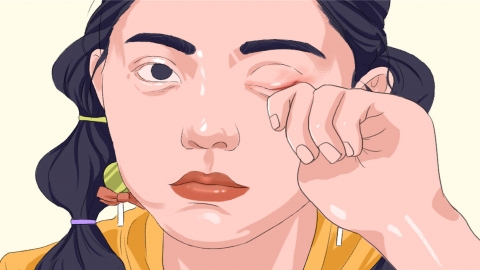
1. Blurred Vision
Blurred vision manifests as unclear eyesight for both near and distant objects, progressively worsening with disease progression. Cataracts cause decreased transparency of the lens, obstructing light refraction; elevated intraocular pressure caused by glaucoma damages the optic nerve. These two factors together disrupt the normal transmission of visual signals, impairing daily vision.
2. Eye Swelling and Pain
Eye swelling and pain typically present as soreness or pressure around the eye socket, sometimes developing into severe pain. Glaucoma blocks aqueous humor circulation, causing a sudden rise in intraocular pressure that irritates ocular tissues. During the swelling phase of cataracts, the lens thickens, further obstructing aqueous outflow. These combined factors lead to ocular discomfort and may be accompanied by headaches.
3. Narrowed Visual Field
Narrowed visual field initially appears as peripheral vision loss, gradually progressing until only central vision remains. Prolonged high intraocular pressure damages the optic nerve, leading to degeneration and necrosis of optic nerve fibers. The visual field progressively constricts and may ultimately result in blindness, severely affecting daily safety and quality of life.
4. Double Vision
Double vision refers to seeing multiple images of a single object, more noticeable when using one eye. Cataracts cause uneven lens refraction, resulting in multiple focal points as light passes through the lens. Corneal edema induced by glaucoma can also interfere with light transmission, jointly contributing to double vision.
5. Lens Opacity
Lens opacity appears as a grayish-white or pale yellow discoloration in the pupil area, visible to the naked eye. Aging, ultraviolet exposure, and other factors cause denaturation of lens proteins. Meanwhile, changes in the intraocular microenvironment due to glaucoma accelerate the opacification process, directly impairing light entry into the eye.
In addition, patients with glaucoma and cataracts may also experience photophobia (light sensitivity) and excessive tearing. In daily life, attention should be paid to eye hygiene, avoiding excessive eye strain. Regular eye examinations are essential for early detection and treatment to prevent disease progression.





