


What medication is used for high intraocular pressure in glaucoma?
Nov 19, 2025
Source: Cainiu Health

Dr. Wang Lei
Introduction
Commonly used medications for high intraocular pressure in glaucoma generally include brinzolamide eye drops and timolol maleate eye drops. Brinzolamide eye drops belong to the class of carbonic anhydrase inhibitors, which reduce the production of aqueous humor in the eye, thereby lowering intraocular pressure. It is suitable for long-term use in patients with primary open-angle glaucoma, helping to relieve the pressure of elevated intraocular pressure on the optic nerve. The frequency of use should be strictly controlled according to medical instructions.
Commonly used medications for high intraocular pressure in glaucoma generally include brinzolamide ophthalmic solution, timolol maleate ophthalmic solution, brimonidine tartrate ophthalmic solution, latanoprost ophthalmic solution, and travoprost ophthalmic solution. Detailed analysis is as follows:
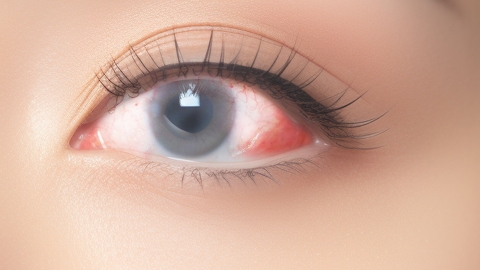
1. Brinzolamide Ophthalmic Solution: This medication belongs to carbonic anhydrase inhibitors and reduces intraocular pressure by decreasing aqueous humor production in the eye. It is suitable for long-term use in patients with primary open-angle glaucoma, helping to relieve pressure on the optic nerve caused by elevated intraocular pressure. Usage frequency should be strictly followed as prescribed.
2. Timolol Maleate Ophthalmic Solution: A beta-blocker that lowers intraocular pressure by inhibiting aqueous humor secretion. It is effective for elevated intraocular pressure due to various types of glaucoma, especially suitable for patients with mild to moderate pressure elevation. Heart rate changes should be monitored during use.
3. Brimonidine Tartrate Ophthalmic Solution: An alpha-2 adrenergic agonist that reduces aqueous humor production while promoting its outflow, resulting in a mild but effective reduction in intraocular pressure. It is ideal for patients with low tolerance to other pressure-lowering medications. Common side effects include mild ocular dryness.
4. Latanoprost Ophthalmic Solution: A prostaglandin analog that lowers intraocular pressure by increasing uveoscleral outflow of aqueous humor. It has a long-lasting effect and requires only once-daily administration, making it suitable for glaucoma patients needing long-term pressure control. Patients should be aware of potential changes in eye pigmentation.
5. Travoprost Ophthalmic Solution: Also a prostaglandin analog, it effectively increases aqueous humor outflow and provides stable intraocular pressure reduction. It is appropriate for patients with primary open-angle glaucoma or ocular hypertension. Users should monitor for any sensation of foreign body in the eye after application.
Hands should be cleaned before applying medication, and dosing frequency and amount must strictly follow medical instructions—do not adjust dosage without consultation. Regular monitoring of intraocular pressure and optic nerve status is essential during treatment. Seek immediate medical attention if symptoms such as eye pain or sudden vision loss occur. Additionally, avoid prolonged stays in dark environments to minimize fluctuations in intraocular pressure.


