What are the symptoms of follicular conjunctivitis?
Nov 19, 2025
Source: Cainiu Health

Dr. Wang Lei
Introduction
In general, common symptoms of follicular conjunctivitis include conjunctival follicles, itchy eyes, conjunctival congestion, increased discharge, and eyelid swelling. If discomfort occurs, it is recommended to seek timely medical evaluation and treatment at a正规 hospital. In addition, some patients may experience symptoms such as tearing and a foreign body sensation. In daily life, maintaining ocular hygiene and avoiding contact with sources of infection can help reduce the risk of disease transmission.
Generally, common symptoms of follicular conjunctivitis include conjunctival follicles, itchy eyes, conjunctival congestion, increased eye discharge, eyelid edema, etc. If discomfort occurs, it is recommended to seek timely medical evaluation and treatment at a qualified hospital. Specific analysis is as follows:
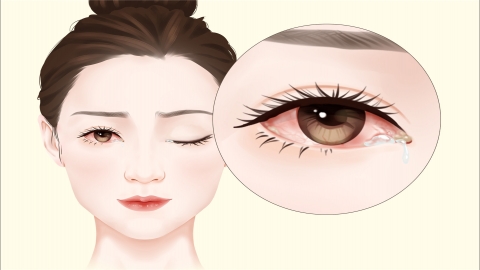
1. Conjunctival Follicles
Conjunctival follicles appear as small, semi-transparent, round raised granules on the palpebral or bulbar conjunctiva, often clustered. This condition typically results from inflammatory stimulation causing hyperplasia of subconjunctival lymphoid tissue, forming lymphoid follicles, which is a characteristic feature of follicular conjunctivitis.
2. Itchy Eyes
Itching is usually persistent, varying in intensity, and some individuals may feel compelled to rub their eyes. Inflammatory mediators stimulate nerve endings in the conjunctiva, leading to neural excitation and the sensation of itching. Frequent rubbing may exacerbate conjunctival damage.
3. Conjunctival Congestion
Conjunctival congestion appears as red blood vessels across the white part of the eye, with bright red coloration. Inflammation causes dilation of conjunctival blood vessels, increased blood flow, and heightened vascular permeability, resulting in visible congestion that directly reflects the presence of conjunctival inflammation.
4. Increased Discharge
Increased discharge manifests as mucous or serous secretions accumulating at the corners of the eyes, sometimes causing eyelids to stick together upon waking. Inflammatory stimulation leads to abnormal secretion by conjunctival glands; the nature of the discharge may vary slightly depending on the underlying cause, but purulent discharge is typically absent.
5. Eyelid Edema
Eyelid edema presents as swollen, tight-feeling skin of the eyelids, which in severe cases may impair eyelid opening and closing. When inflammation spreads to eyelid tissues, it causes local fluid exudation and subsequent swelling, commonly occurring alongside conjunctival congestion.
In addition, some patients may experience symptoms such as tearing or a foreign body sensation. In daily life, maintaining good ocular hygiene, avoiding contact with infection sources, reducing transmission risk, and receiving prompt standardized treatment are essential.