


How to quickly get rid of boils caused by excessive internal heat
Dec 01, 2025
Source: Cainiu Health

Dr. Liu Wenmin
Introduction
Fire疖 (boils) caused by "excessive internal heat" may result from factors such as consuming spicy foods, irregular作息 (lifestyle), infection of hair follicles and surrounding tissues, secondary inflammation due to blocked sebaceous gland ducts, or low immunity. It is recommended to seek medical attention promptly, identify the underlying cause, and under a doctor's guidance, use general treatments, medications, or other methods to quickly alleviate symptoms. In daily life, frequently change into loose, breathable cotton clothing and avoid friction on the boil.
Generally, the occurrence of boils due to "excess internal heat" (a traditional concept often referred to as "shang huo") may be caused by factors such as consuming spicy foods, irregular作息 (daily routines), infection of hair follicles and surrounding tissues, secondary inflammation from blocked sebaceous gland ducts, or low immunity. It is recommended to seek medical attention promptly, identify the underlying cause, and then follow a doctor's guidance for rapid relief through general management, medication, and other treatments. A detailed analysis is as follows:
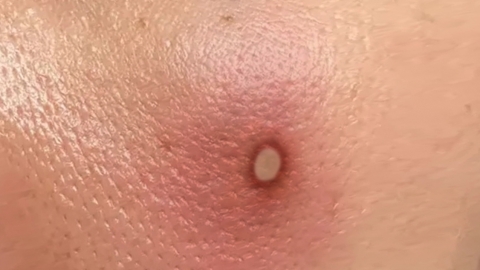
1. Spicy diet: Long-term consumption of spicy foods like chili peppers and Sichuan peppercorns can lead to accumulation of internal heat, which may stimulate hair follicles and trigger boils. Immediately adjust your diet to focus on mild, non-spicy foods. Increase intake of heat-clearing foods such as winter melon and bitter gourd. Drink about 3,000 mL of warm water daily to accelerate the elimination of internal heat, and avoid alcohol and caffeine-containing beverages.
2. Irregular作息 (daily routine): Staying up late or having a reversed day-night schedule can disrupt endocrine function, reducing the skin’s ability to resist bacteria and making it more prone to developing boils. Ensure going to bed before 11 PM each night and get 7–8 hours of sleep daily. Soak feet in warm water for 10 minutes before sleeping to promote restfulness, and take a light walk in the morning to improve blood circulation and enhance the skin’s healing capacity.
3. Hair follicle and surrounding tissue infection: Invasion of hair follicles by *Staphylococcus aureus* can cause acute suppurative inflammation, presenting as red, swollen, hard nodules. Patients should follow medical advice to apply topical medications such as mupirocin ointment, fusidic acid cream, or compound polymyxin B ointment to the affected area.
4. Inflammation secondary to sebaceous gland duct blockage: Excessive sebum production can lead to duct obstruction, with sebum retention followed by infection and boil formation, often accompanied by significant pain. In the early stage of infection, oral antibiotics such as cefaclor capsules, amoxicillin-clavulanate potassium tablets, or roxithromycin capsules may be taken as directed by a physician to alleviate symptoms.
5. Low immunity: Prolonged fatigue or high stress levels can weaken the immune system, leading to recurrent boils and slow healing. Follow medical advice to take immune-boosting medications such as Yupingfeng granules, transfer factor oral solution, or pidotimod oral solution.
In daily life, frequently change into loose, breathable cotton clothing to minimize friction on the boil. Increase dietary intake of vitamin C-rich fruits and vegetables such as oranges and spinach. Avoid prolonged squatting during bowel movements to reduce local pressure. Comprehensive care measures can help speed up recovery and reduce the risk of recurrence.





