


Is traditional Chinese medicine effective in treating myopia?
Nov 19, 2025
Source: Cainiu Health

Dr. Sun Lianqing
Introduction
If the condition is pseudomyopia, or myopia accompanied by eye fatigue, dryness, dizziness, and other discomforts, traditional Chinese medicine regulation (such as syndrome-based use of formulas that clear liver heat and improve vision, or tonify qi and strengthen the spleen), combined with auxiliary methods like eye massage and acupoint stimulation, may help relieve eye fatigue, improve ocular circulation, restore vision in some cases of pseudomyopia, and significantly alleviate associated symptoms.
Generally, traditional Chinese medicine (TCM) may help improve certain symptoms related to myopia, but it is unlikely to reverse true myopia. The effectiveness depends on the type of myopia and treatment goals. If in doubt, it is recommended to consult a healthcare professional in advance. Detailed analysis is as follows:
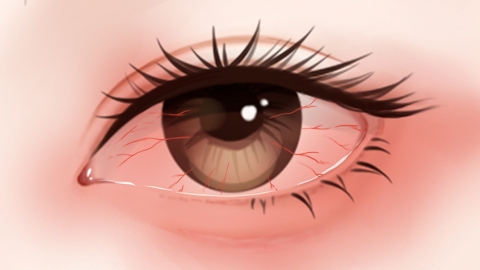
If the condition is pseudomyopia, or if myopia is accompanied by eye strain, dryness, dizziness, or other discomforts, TCM regulation—such as using syndrome-differentiated prescriptions that clear liver heat and improve vision, or strengthen qi and invigorate the spleen—combined with auxiliary methods like eye massage and acupoint stimulation, may help relieve eye fatigue and improve ocular circulation. In some cases of pseudomyopia, vision may recover, and associated symptoms can be significantly reduced.
In cases of true myopia, where the axial length of the eye has undergone irreversible elongation, TCM cannot shorten the eye axis or reduce the degree of myopia. It may only assist in slowing the progression of myopia to some extent or help manage systemic conditions associated with myopia (such as general physical weakness leading to easy eye fatigue). For such cases, scientifically proven corrective methods (e.g., glasses or surgery) should remain the primary approach, while TCM may serve as a supplementary therapy.
When using TCM for myopia treatment, it is essential to seek care from正规 medical institutions and have prescriptions tailored by qualified physicians based on individual patterns; avoid blindly using unverified remedies. Regular eye examinations should be conducted to monitor changes in vision. Additionally, maintaining healthy visual habits—such as avoiding prolonged near-work—is crucial for comprehensive vision protection.





