What causes swollen eyes that can't open, and what should be done about it?
Nov 19, 2025
Source: Cainiu Health

Dr. Wang Lei
Introduction
In general, swollen eyes that are difficult to open may be caused by improper sleeping posture, excessive fluid intake before bedtime, allergic conjunctivitis, hordeolum (stye), acute dacryocystitis, or other reasons. Appropriate measures can be chosen based on the specific situation to improve the condition. Daily eye hygiene should be maintained, and rubbing the eyes with hands should be avoided; stay away from allergens such as dust and pollen; maintain regular sleep patterns and avoid staying up late.
Under normal circumstances, swollen eyes that are difficult to open may be caused by improper sleeping posture, excessive fluid intake before bedtime, allergic conjunctivitis, hordeolum (stye), or acute dacryocystitis. Appropriate measures can be taken based on specific situations. Detailed analysis is as follows:
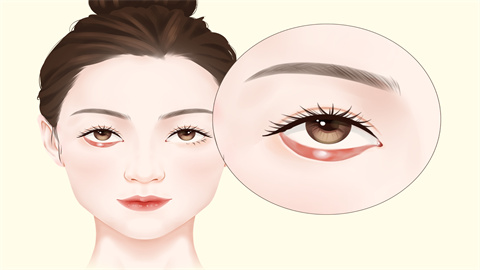
1. Improper sleeping posture: Lying on one's side or stomach can compress the eye area and obstruct venous return, leading to morning eye swelling. Adjusting to a supine (back) sleeping position and applying a cool towel to the eyes for 10 minutes can help improve circulation.
2. Excessive fluid intake before bedtime: Slowed metabolism at night prevents timely excretion of large amounts of fluid, causing accumulation under the eyelid skin and resulting in swelling. Limit fluid intake one hour before bed and engage in light physical activity upon waking to accelerate metabolism.
3. Allergic conjunctivitis: After exposure to allergens such as pollen, the immune system activates, causing conjunctival congestion and edema. Antihistamine eye drops such as olopatadine hydrochloride eye drops, emedastine difumarate eye drops, or levocabastine hydrochloride eye drops may be used under medical guidance, along with avoiding known allergens.
4. Hordeolum: Bacterial infection of the eyelid glands leads to acute suppurative inflammation, with gland blockage causing swelling and pain. Antibiotic treatments such as erythromycin eye ointment, levofloxacin hydrochloride eye drops, or tobramycin eye drops may be prescribed by a doctor. If an abscess forms, incision and drainage surgery may be required.
5. Acute dacryocystitis: Blockage of the tear duct allows bacterial growth and triggers inflammation, causing redness and swelling in the lacrimal sac area that may spread to the eyelids. Oral antibiotics such as cefradine capsules, amoxicillin capsules, or azithromycin dispersible tablets may be prescribed. If conservative treatment fails, surgical intervention such as dacryocystorhinostomy may be necessary.
In daily life, maintain good eye hygiene and avoid rubbing the eyes; stay away from irritants such as dust and pollen; maintain regular sleep patterns and avoid staying up late. If swelling worsens or vision becomes blurred, seek immediate medical attention to identify and address the underlying cause.