


Which department should I visit for facial and eye swelling?
Nov 19, 2025
Source: Cainiu Health

Dr. Wang Lei
Introduction
In general, facial and periorbital swelling can be evaluated by visiting relevant departments such as nephrology, ophthalmology, dermatology, cardiology, or endocrinology, depending on accompanying symptoms and potential triggers. Facial and eye swelling are often associated with either localized or systemic conditions; therefore, accurately selecting the appropriate specialty department enables prompt identification of the underlying cause. It is recommended to seek timely medical evaluation at a正规 hospital upon onset of symptoms. The detailed analysis is as follows:
Under normal circumstances, facial and eye swelling can be evaluated by visiting departments such as nephrology, ophthalmology, dermatology, cardiology, or endocrinology, depending on accompanying symptoms and potential triggers. Facial and eye swelling is often associated with local or systemic diseases; choosing the appropriate specialty enables rapid identification of the underlying cause. It is recommended to seek timely medical evaluation at a正规 hospital upon symptom onset. Specific details are as follows:
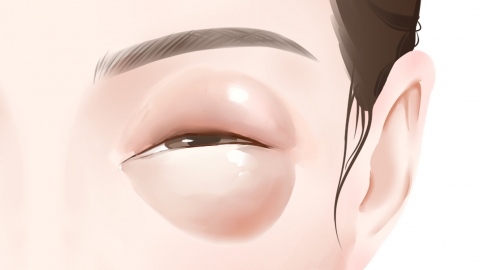
1. Nephrology
The kidneys regulate water metabolism. When kidney function is impaired, fluid retention may lead to facial and eye swelling, often accompanied by increased foaming in urine and reduced urine output. In such cases, patients should visit the nephrology department, where tests such as urinalysis and renal function assessments help determine whether conditions like nephritis or nephrotic syndrome are present.
2. Ophthalmology
If eye swelling is prominent and accompanied by redness, pain, or increased discharge, it is likely due to localized eye conditions such as conjunctivitis, hordeolum (stye), or orbital inflammation. A visit to the ophthalmology department is advised. Doctors use slit-lamp examinations and other methods to identify the specific condition and initiate targeted treatment.
3. Dermatology
Facial and eye swelling caused by allergens such as pollen or cosmetics, or following insect bites or skin inflammation, is often accompanied by itching and rashes. Patients should see a dermatologist. Allergen testing can help identify the trigger, enabling anti-allergic or anti-inflammatory treatments.
4. Cardiology
In cases of heart failure, impaired circulation leads to elevated venous pressure, which may result in facial and eye swelling, commonly accompanied by chest tightness, shortness of breath, and leg edema. Evaluation by the cardiology department is necessary. Tests such as echocardiography and electrocardiography help assess cardiac function and guide treatment planning.
5. Endocrinology
Hypothyroidism can cause mucous edema, manifesting as facial and eye swelling along with fatigue, cold intolerance, and weight gain. Such cases require consultation with the endocrinology department. Thyroid function tests confirm the diagnosis, and hormone replacement therapy helps alleviate symptoms.
Routinely, avoid drinking large amounts of fluid before bedtime and reduce intake of high-salt foods to prevent fluid retention. Maintain good hygiene of the eyes and face, and avoid scratching or using cosmetics indiscriminately. Do not self-medicate when facial or eye swelling occurs. Instead, record the duration of symptoms and any associated signs to assist doctors in making an accurate diagnosis. Follow medical advice for follow-up visits during treatment and adjust the treatment plan promptly as needed.







