


Why does dizziness occur almost every day in depression, and what should be done?
Nov 20, 2025
Source: Cainiu Health

Dr. Zhang Baohua
Introduction
In general, patients with depression experience dizziness almost every day, which may be caused by factors such as sleep disturbances, dietary imbalances, neurasthenia, comorbid anxiety disorders, or insufficient cerebral blood supply. It is recommended to seek medical attention promptly, identify the underlying cause, and then improve symptoms under a doctor's guidance through general measures, medication, and other treatments. In daily life, avoid sudden standing to prevent orthostatic hypotension from worsening dizziness.
Under normal circumstances, patients with depression experience dizziness almost every day. This may be caused by factors such as sleep disturbances, dietary imbalances, neurasthenia, comorbid anxiety disorders, or insufficient cerebral blood supply. It is recommended to seek medical attention promptly, identify the underlying cause, and improve symptoms under a doctor's guidance through general management, medication, and other treatments. The specific analysis is as follows:
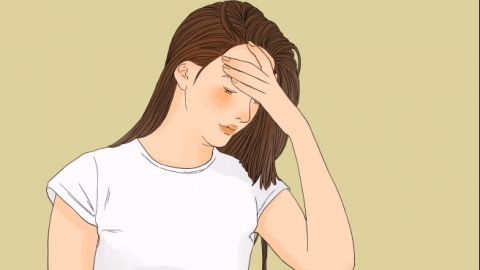
1. Sleep disturbances: Depression is often accompanied by difficulty falling asleep or early morning awakening. Long-term lack of adequate rest impairs brain vascular regulation, leading to dizziness. Maintain a regular sleep schedule by going to bed and waking up at consistent times each day. Avoid excessive thinking before bedtime. Listening to white noise or practicing relaxation techniques can help improve sleep quality. Aim for 7 hours of high-quality sleep daily.
2. Dietary imbalance: Patients with depression may suffer from reduced appetite or picky eating, resulting in blood sugar fluctuations and nutritional deficiencies that trigger dizziness. Eat balanced meals at regular intervals. Prioritize nutrient-rich foods such as whole grains, lean meats, and leafy green vegetables. Avoid skipping meals or consuming excessive sweets to maintain stable blood glucose levels.
3. Neurasthenia: Prolonged emotional suppression in depressed individuals can lead to neurasthenia, causing abnormal nerve excitability, which manifests as dizziness and difficulty concentrating. Follow medical advice when using medications such as oryzanol tablets, vitamin B1 tablets, or Anshen Bunao Liquid. Incorporate daily relaxation practices like meditation or slow walking to soothe the nervous system.
4. Comorbid anxiety disorder: Depression frequently coexists with anxiety disorders. Anxiety-induced sympathetic nervous system activation can cause vasoconstriction and reduced cerebral perfusion, resulting in dizziness. Under medical supervision, use medications such as sertraline hydrochloride tablets, paroxetine tablets, or lorazepam tablets, combined with psychotherapy to alleviate anxiety symptoms.
5. Insufficient cerebral blood supply: Chronic depression may impair vascular constriction and dilation functions, reducing blood flow to the brain and causing dizziness, often accompanied by fatigue and headaches. As directed by a physician, take medications such as enteric-coated aspirin tablets, ginkgo biloba extracts, or flunarizine hydrochloride capsules to improve cerebral circulation.
To prevent worsening of dizziness due to orthostatic hypotension, avoid sudden changes in posture. Engage moderately in gentle exercises such as tai chi or yoga to promote overall blood circulation. Communicate regularly with family and friends to relieve psychological stress and support improvements in mental and physical well-being.






