


Can psychological disorders be cured?
Nov 20, 2025
Source: Cainiu Health

Dr. Zhang Baohua
Introduction
In general, whether a psychological disorder can be cured depends on the specific circumstances. Mild psychological disorders can usually be cured with timely intervention, while severe cases or those with prolonged delays in treatment are more difficult to treat and require long-term, standardized management. It is important to foster an inclusive psychological environment in daily life, with family members providing understanding and companionship. Patients should be encouraged to maintain regular routines and participate in calming activities such as walking or painting.
Generally speaking, whether a psychological disorder can be cured depends on the specific circumstances. Mild psychological disorders can usually be cured with timely intervention, while severe cases or those with prolonged delays in treatment are more difficult to treat and require long-term, standardized management.
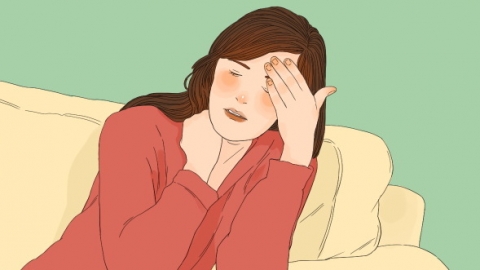
If the condition is a mild psychological disorder—such as short-term anxiety or adjustment disorder—and symptoms do not significantly impair daily functioning, improvement can often be achieved through professional counseling and lifestyle adjustments. These disorders are typically triggered by temporary stress, and most individuals can fully recover through emotional support, open communication, regular sleep patterns, and other coping strategies.
In cases of severe psychological disorders—such as major depressive disorder or obsessive-compulsive disorder—where there is persistent emotional dysregulation and impaired social functioning, a combination of medication and psychotherapy is necessary. Medications such as sertraline hydrochloride tablets, paroxetine tablets, and lorazepam tablets should be taken as prescribed by a doctor, along with ongoing psychological interventions, to effectively manage symptoms. However, discontinuing medication without medical guidance may lead to relapse.
In daily life, it's important to foster an inclusive and supportive psychological environment, with family members offering understanding and companionship. Encourage patients to maintain regular routines and participate in calming activities such as walking or painting to actively relieve stress. Help build their confidence in treatment, ensure regular follow-up visits, and support stable progress toward recovery.



