


What harms can psychological disorders cause?
Nov 21, 2025
Source: Cainiu Health

Dr. Zhang Baohua
Introduction
Psychological disorders can bring multidimensional harm to an individual's physical and mental health as well as daily life, mainly including impaired cognitive function, extreme emotional fluctuations, damaged social relationships, disruption of daily activities and work, and the onset of physical discomfort. The adverse effects of psychological disorders should be taken seriously; early intervention can effectively reduce their impact. With professional treatment, family support, and active personal adjustment, recovery is achievable.
Psychological disorders can bring multi-dimensional harm to an individual's physical and mental health as well as daily life, mainly including impaired cognitive function, extreme emotional fluctuations, damaged social relationships, disruption of daily activities and work performance, and the onset of physical discomfort. A detailed analysis is as follows:
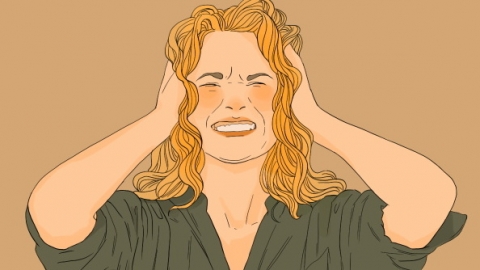
1. Impaired Cognitive Function: Patients often experience difficulties in concentrating and declining memory, along with weakened judgment and logical reasoning abilities. For example, they may become mentally confused when thinking, unable to plan tasks clearly, and in severe cases, even develop perceptual abnormalities that impair accurate understanding of the real world.
2. Extreme Emotional Fluctuations: Due to disrupted emotional regulation, individuals may remain in prolonged states of depression or anxiety, or exhibit unexplained irritability and anger. During emotional episodes, self-control becomes difficult—mild symptoms include crying alone or restlessness, while severe cases may involve self-harming impulses.
3. Damaged Social Relationships: Patients may avoid social interactions due to emotional sensitivity and reduced communication skills, or trigger conflicts during interpersonal encounters caused by emotional outbursts. Long-term estrangement from family and friends leads to broken intimate relationships and a shrinking social circle, resulting in feelings of loneliness, which in turn exacerbates the psychological disorder, creating a vicious cycle.
4. Disruption of Daily Life and Work: Individuals may fail to maintain regular routines, such as suffering from insomnia or hypersomnia, disordered eating patterns, etc. At work, they struggle to complete tasks, show diminished responsibility, and may even have absenteeism or neglect duties. Some patients require assistance for basic self-care activities like dressing and grooming, losing their ability to live independently.
5. Onset of Physical Discomfort: Prolonged psychological stress can affect physiological functions, commonly leading to symptoms such as insomnia, headaches, and gastrointestinal disturbances. Some patients may also experience blood pressure fluctuations or palpitations. Although these physical symptoms lack clear organic lesions, they tend to recur persistently.
The harms of psychological disorders must be taken seriously. Early intervention can effectively reduce their impact. With professional treatment, family support, and active personal adjustment, most patients can gradually restore their physical and mental functions and return to normal life.



