


What are the harms of psychological disorders?
Nov 20, 2025
Source: Cainiu Health

Dr. Zhang Baohua
Introduction
Psychological disorders, as abnormal conditions that interfere with psychological functioning and behavioral patterns, pose multidimensional risks affecting both mental and physical health. These risks primarily include emotional imbalance, impaired social functioning, disruption of daily life, adverse effects on physical health, and reduced cognitive abilities. In facing psychological disorders, individuals should actively overcome avoidance tendencies and seek improvement through approaches such as psychological counseling and emotion regulation training.
Generally, as a type of abnormal condition that interferes with psychological functions and behavioral patterns, psychological disorders affect multiple aspects of physical and mental health. The main impacts include emotional imbalance, impaired social functioning, disruption of daily life, adverse effects on physical health, and reduced cognitive ability. A detailed analysis is as follows:
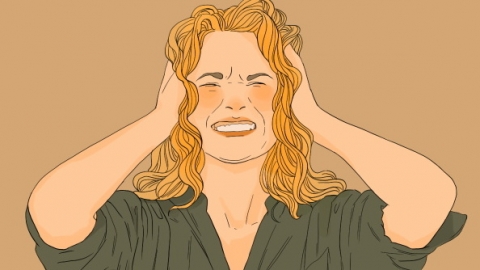
1. Emotional Imbalance: Psychological disorders often disrupt emotional regulation mechanisms, causing patients to experience persistent negative emotions such as anxiety, depression, and irritability, or extreme mood swings—alternating between anger and frustration, and pessimism or despair. This imbalance leaves individuals in prolonged psychological distress, making it difficult to experience joy in life.
2. Impaired Social Functioning: Due to abnormal emotions, low self-esteem, or distrust toward others, patients may actively avoid social situations and withdraw from communication. Over time, this leads to strained interpersonal relationships and prevents the development of stable intimate or cooperative relationships.
3. Disruption of Daily Life: Psychological disorders can interfere with daily routines. Patients may struggle to maintain regular sleep patterns, suffering from insomnia or excessive sleepiness, as well as disordered eating. They may also find it difficult to concentrate at work or in studies, resulting in significantly reduced efficiency.
4. Adverse Effects on Physical Health: Prolonged psychological stress and emotional issues can trigger physical symptoms, commonly including headaches, chest tightness, palpitations, and gastrointestinal discomfort. Although these symptoms lack clear organic pathology, they tend to recur, further increasing the burden on both mind and body.
5. Decline in Cognitive Function: Some psychological disorders can impair brain function, leading to difficulty concentrating, memory decline, and reduced judgment and logical thinking abilities. Patients may become indecisive when making choices and develop distorted perceptions of reality.
When facing psychological disorders, individuals should actively overcome avoidance behaviors and seek improvement through methods such as psychological counseling and emotional regulation training. Family members and society should offer understanding and support to help patients rebuild confidence. At the same time, maintaining a regular lifestyle and healthy diet provides a solid foundation for psychological and physical recovery.



