


Can anxiety be treated with traditional Chinese medicine?
Nov 21, 2025
Source: Cainiu Health

Dr. Sun Lianqing
Introduction
In general, anxiety can be treated with Traditional Chinese Medicine (TCM), which centers on syndrome differentiation and individualized treatment, using a combination of methods to relieve symptoms. However, treatment plans should be adjusted according to individual conditions and require consistent, long-term regulation. Daily routines can incorporate TCM-based health practices as supportive measures, such as drinking rose tea to soothe the liver and alleviate depression, or practicing Tai Chi and Baduanjin to regulate breathing and energy flow. Maintaining regular作息 (daily routines) and avoiding late nights is essential to prevent depletion of qi and blood.
Generally, anxiety can be treated with Traditional Chinese Medicine (TCM), which centers on syndrome differentiation and tailored treatment, combining various methods to alleviate symptoms. However, treatment plans should be adjusted according to individual conditions and require consistent, long-term regulation. A detailed analysis is as follows:
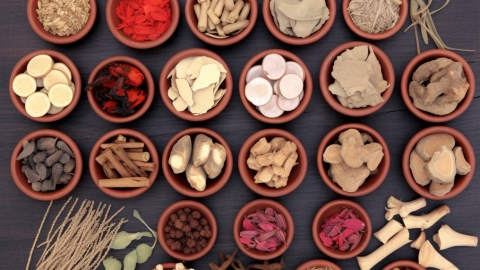
In TCM, anxiety is often associated with syndromes such as liver qi stagnation, deficiency of both the heart and spleen, or hyperactivity of fire due to yin deficiency. Treatment must target the specific pattern—for example, using herbs that soothe the liver and regulate qi for liver qi stagnation, or focusing on tonifying the spleen and nourishing the heart in cases of heart-spleen deficiency. Besides herbal medicine, acupuncture and tuina massage can help unblock meridians, while emotional counseling supports psychological balance. Integrating these approaches can effectively improve symptoms such as insomnia, palpitations, and irritability caused by anxiety.
However, TCM emphasizes gradual regulation and discourages hasty expectations. For individuals with more severe symptoms, relying solely on TCM may yield slow results; in such cases, combining treatment with professional psychological interventions is recommended. Accurate syndrome differentiation is crucial—self-prescribing remedies without proper diagnosis may lead to ineffective treatment or even adverse effects due to mismatched patterns.
In daily life, TCM-based wellness practices can support recovery. For instance, drinking rose tea may help relieve liver qi stagnation, while practicing Tai Chi or Baduanjin (Eight Brocades) can regulate breathing and calm the mind. Maintaining a regular sleep schedule and avoiding late nights helps preserve qi and blood. By integrating physical and mental regulation, treatment outcomes can be consolidated and anxiety gradually improved.







