


What are the symptoms of bipolar disorder?
Nov 21, 2025
Source: Cainiu Health

Dr. Zhang Baohua
Introduction
Bipolar disorder is characterized by extreme mood swings. Main symptoms include elevated mood during manic episodes, racing thoughts during manic episodes, low mood during depressive episodes, loss of interest during depressive episodes, as well as abnormalities in energy and sleep. Severe mood fluctuations can significantly disrupt daily life, and family members and friends should provide understanding and companionship.
Bipolar disorder is characterized by extreme mood swings, with main symptoms including elevated mood during manic episodes, racing thoughts during manic episodes, low mood during depressive episodes, loss of interest during depressive episodes, and abnormalities in energy and sleep. A detailed analysis is as follows:
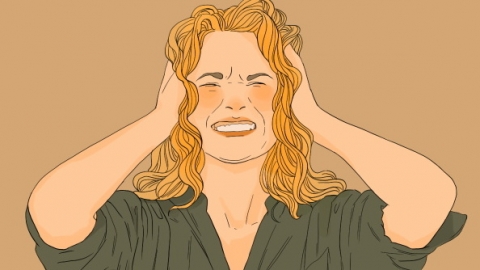
1. Elevated mood during manic episodes: Patients suddenly experience persistent feelings of euphoria and excitement, with extremely high self-esteem, even exaggerating their abilities—such as firmly believing they can easily accomplish tasks far beyond their actual capabilities. They become easily irritable and may fly into a rage over minor issues, making calm communication difficult.
2. Racing thoughts during manic episodes: Thought processes accelerate significantly, with ideas constantly emerging. Patients speak rapidly and incessantly, sometimes uttering inappropriate remarks or producing disorganized, incoherent speech. Their attention is highly distractible; during conversations, they are easily drawn to external stimuli, frequently shifting topics so abruptly that others struggle to follow their train of thought.
3. Low mood during depressive episodes: In stark contrast to the manic state, patients fall into prolonged sadness and despair, losing confidence in life. They often cry alone, display emotional numbness, and remain unaffected even by positive events. This depressed mood cannot be easily relieved on its own.
4. Loss of interest during depressive episodes: Patients completely lose interest in activities they once enjoyed. They avoid social interactions and may even refuse contact with family and friends, staying indoors all day. They neglect basic self-care such as eating and personal hygiene, causing their lives to become passive and stagnant.
5. Abnormalities in energy and sleep: During manic episodes, patients exhibit unusually high energy levels. Even with less than 3–4 hours of sleep per night, they feel no fatigue and significantly increase their activity levels without knowing when to stop. In contrast, during depressive episodes, they suffer from severe lack of energy—becoming exhausted even after minimal activity—and often experience sleep disturbances.
These intense mood fluctuations can severely disrupt daily life. Family members and friends should offer understanding and companionship, avoiding verbal provocation. Patients need to adhere to professional treatment, maintain regular routines, and engage in moderate physical activity, all of which help stabilize their mood.


