How to manage anxiety disorder in middle-aged women
Nov 24, 2025
Source: Cainiu Health

Dr. Zhang Baohua
Introduction
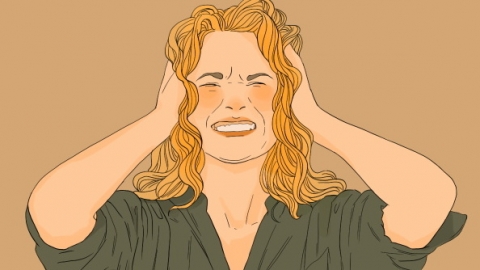
Anxiety disorder in middle-aged women can be managed through standardized professional treatment, emotional regulation and counseling, improved daily routines, dietary adjustments, and expanded social support. By combining scientific interventions tailored to their physiological and psychological characteristics, anxiety symptoms can be effectively alleviated. If anxiety persists for more than one month, affects sleep or eating habits, or is accompanied by physical discomfort, timely medical consultation is recommended.
Anxiety disorders in middle-aged women can be managed through standardized professional treatment, emotional regulation and counseling, optimizing daily routines, improving diet, and expanding social support. By combining scientific interventions tailored to their physiological and psychological characteristics, anxiety symptoms can be effectively alleviated. If anxiety persists for more than one month, affects sleep or eating habits, or is accompanied by physical discomfort, prompt medical consultation is recommended.
1. Standardized Professional Treatment: Seek timely psychological therapies such as cognitive behavioral therapy (CBT). When necessary, take anti-anxiety medications under a doctor's guidance. Avoid stopping or reducing medication on your own. Professional intervention is the cornerstone of effective anxiety management.
2. Emotional Regulation and Stress Relief: Relax the mind and body through meditation, deep breathing, or yoga. Release stress by journaling or talking with others. Avoid suppressing emotions and cultivate healthy habits for positive emotional regulation.
3. Optimize Daily Routines: Maintain regular sleep patterns and avoid staying up late. Engage moderately in aerobic exercises such as walking or jogging. Consistent daily rhythms help stabilize endocrine function and reduce hormonal fluctuations that may exacerbate anxiety.
4. Improve Diet: Reduce intake of coffee, strong tea, and high-sugar foods. Increase consumption of foods rich in vitamin B complex and magnesium, such as nuts and leafy greens. A balanced diet supports emotional stability.
5. Expand Social Support: Communicate regularly with family and friends. Participate in community events or interest-based groups to prevent feelings of loneliness. Strong social connections effectively reduce psychological stress.
In daily life, maintain a calm mindset and avoid excessive perfectionism. Balance work and rest appropriately to prevent overexertion. Learn to accept emotional fluctuations and strengthen psychological resilience through positive self-affirmation.