Can burn ointment be applied to traumatic wounds?
Nov 24, 2025
Source: Cainiu Health

Dr. Liu Wenmin
Introduction
In general, whether burn ointment can be applied to traumatic wounds depends on the type and condition of the wound. For minor, superficial abrasions without infection, it may be used short-term in the absence of specialized medications. However, for deeper wounds with significant bleeding or existing infection, its use is not recommended; such wounds require proper treatment methods specific to traumatic injuries. Routine care should focus on keeping the wound clean and dry, avoiding contact with water and pressure.
Generally, whether burn ointment can be applied to traumatic wounds depends on the type and condition of the wound. For minor, superficial abrasions without infection, burn ointment may be used short-term in emergencies when no specialized medication is available. However, for deeper wounds with significant bleeding or signs of infection, it is not recommended; such wounds require proper treatment methods designed for trauma. Detailed analysis is as follows:
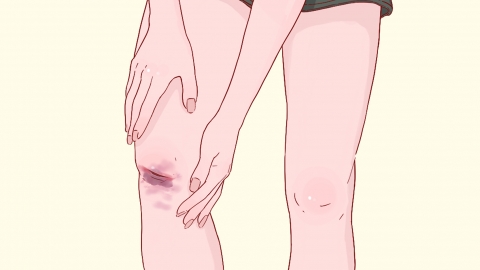
If the traumatic wound is a minor superficial abrasion without obvious bleeding or pus formation, and antiseptics such as iodophor or dedicated wound ointments are temporarily unavailable, burn ointment may be used briefly as an emergency measure. The moisturizing ingredients in burn ointment can temporarily protect the wound from dust and relieve mild discomfort. However, the wound should first be rinsed thoroughly with clean water, and once possible, promptly switch to a medication specifically intended for traumatic injuries.
For deep wounds with heavy bleeding, or those showing signs of infection such as redness, swelling, fluid discharge, or increasing pain, burn ointment should not be used. These ointments are formulated specifically for thermal injuries and their components are unsuitable for traumatic wound healing. They may block the wound and worsen infection. Instead, clean the wound with normal saline, disinfect with iodophor, and bandage if necessary.
In daily care, keep the traumatic wound clean and dry, avoiding contact with water and pressure. Regularly disinfect the wound with iodophor and select appropriate medications according to the wound's condition. In terms of diet, increase intake of protein and vitamins to promote wound healing.