


What are burn ointments?
Apr 15, 2022
Source: Cainiu Health
Dr. Gan Liqiang
Introduction
For burns, it is best to apply Bactroban ointment (mupirocin) or erythromycin ointment. After suture removal, there is no need to apply iodine tincture, clean the area several times, or take anti-inflammatory medications such as cefixime capsules or roxithromycin for several days. During treatment, maintain local hygiene to prevent infection. Additionally, avoid spicy and irritating foods; instead, consume more vegetables, fruits, and foods rich in vitamin C, and drink plenty of plain water.
Burns are relatively common in daily life. What ointments are available for burn treatment?
What Ointments Are Used for Burns?
For burns, Mupirocin ointment (Bactroban) or Erythromycin ointment are generally recommended. After suture removal, there is no need to apply iodine tincture or perform repeated cleansing; however, anti-inflammatory medications such as Cefixime capsules or Roxithromycin may be taken for several days. During treatment, maintain local hygiene to prevent infection. Additionally, avoid spicy and irritating foods; instead, consume more vegetables, fruits—especially those rich in vitamin C—and drink plenty of plain water.
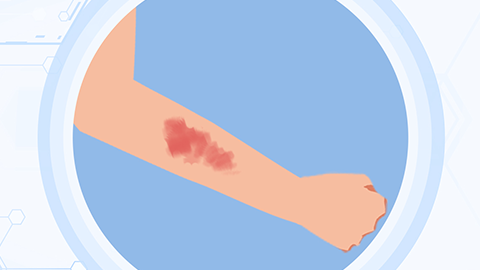
For small-area, superficial burns, non-surgical management—either via dressing or exposure therapy—is appropriate. Topical ointments can be broadly categorized into Western and traditional Chinese medicines (TCM). Commonly used TCM burn ointments include MEBO (Moist Exposed Burn Ointment), Strong Burn Ointment, Scald Ointment, and Purple Flower Burn Ointment. Western medicine ointments fall into two main categories: antimicrobial ointments and epithelial growth-promoting ointments. Antimicrobial ointments include silver sulfadiazine cream, zinc sulfadiazine cream, and silver-zinc cream. Epithelial growth-promoting ointments primarily include epidermal growth factor (EGF) gel and Bepanthen (recombinant human epidermal growth factor preparations). If scarring has already formed, laser therapy may be considered.
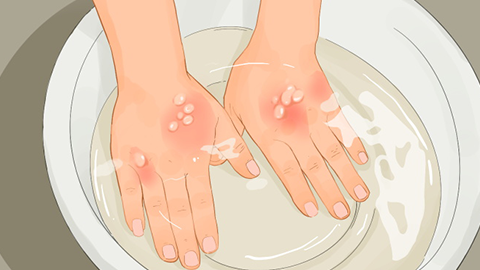
Laser scar treatment yields relatively good results, primarily utilizing photothermal principles to penetrate deep into the skin, repair damaged cells, and stimulate collagen regeneration in the dermis—thereby effectively reducing or improving scar appearance. We hope this information is helpful to you.





