What are the adverse reactions after general anesthesia?
Nov 24, 2025
Source: Cainiu Health

Dr. Liu Wenmin
Introduction
Adverse reactions after general anesthesia include nausea and vomiting, sore throat, dizziness, drowsiness, respiratory depression, allergic reactions, etc. These are mostly temporary symptoms related to anesthetic drug metabolism and individual differences in tolerance. If adverse reactions persist or worsen, prompt medical attention is recommended. Nausea and vomiting: the most common adverse reaction, caused by anesthetics
Adverse reactions following general anesthesia include nausea and vomiting, sore throat, dizziness and drowsiness, respiratory depression, and allergic reactions. These are mostly temporary symptoms related to the metabolism of anesthetic drugs and individual differences in tolerance. If adverse reactions persist or worsen, prompt medical attention is recommended.
1. Nausea and vomiting: The most common adverse reaction, triggered by anesthetic drugs irritating the gastrointestinal tract, intraoperative organ manipulation, or postoperative pain. It frequently occurs within 24 hours after surgery, with higher risk among patients with sensitive constitutions or those undergoing abdominal surgery.
2. Sore throat: Intubation or use of a laryngeal mask may injure the mucous membrane of the throat, causing sore throat, hoarseness, and dryness. Symptoms typically gradually improve within 1–3 days after surgery but may affect swallowing if severe.
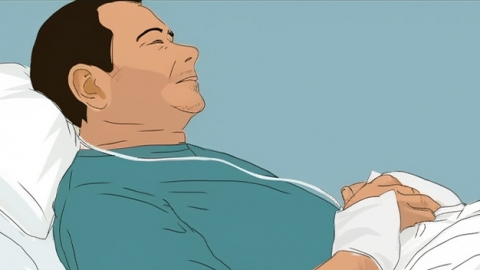
3. Dizziness and drowsiness: Before anesthetic drugs are fully metabolized, central nervous system function may be suppressed, leading to dizziness, fatigue, and excessive sleepiness. This is more common in elderly patients or those with impaired liver or kidney function, and symptoms resolve once the drugs are completely cleared.
4. Respiratory depression: A small number of patients may experience shallow and slow breathing or decreased blood oxygen saturation after surgery, associated with residual anesthetic effects or pulmonary complications. Close monitoring of respiratory status and timely intervention are essential.
5. Allergic reactions: Hypersensitivity to anesthetic or adjunctive medications may manifest as skin itching, rashes, or low blood pressure. In severe cases, laryngeal edema may occur. Although rare, such reactions require immediate management.
After surgery, patients should lie flat without a pillow to maintain airway patency, resume diet gradually starting from liquids to regular food, avoid strenuous activity, promptly report any discomfort to healthcare providers, and ensure adequate rest to support recovery.