


Is getting anesthesia painful?
Nov 24, 2025
Source: Cainiu Health

Dr. Wang Lei
Introduction
In general, whether anesthesia causes pain depends on the type of anesthesia used. Local anesthesia may involve mild discomfort, while general anesthesia usually does not cause noticeable pain. After anesthesia, it is important to follow medical instructions for proper care: avoid pressing on the injection site and keep it clean and dry after local anesthesia; after general anesthesia, wait until consciousness is fully restored before eating or drinking.
In general, whether administering anesthesia causes pain depends on the type of anesthesia used. Local anesthesia may involve mild discomfort, while general anesthesia typically does not cause noticeable pain. The details are as follows:
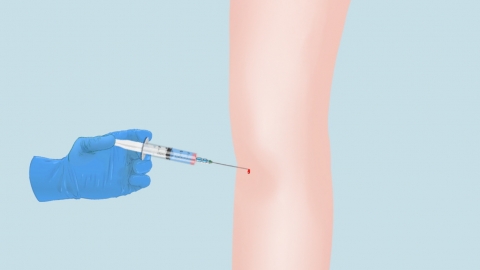
Local anesthesia usually involves injecting medication into the skin or subcutaneous tissue using a syringe. There may be a brief stinging or distending sensation during needle insertion, and slight soreness or pressure when the drug is injected. However, this discomfort is generally mild and short-lived, and most people can tolerate it easily. Topical anesthesia, which involves applying or spraying the medication directly onto mucous membranes or the skin surface, usually causes no pain at all.
General anesthesia is commonly administered via intravenous injection or inhalation. The minor pain from venipuncture feels similar to that of a routine IV infusion. Once the anesthetic takes effect, the patient quickly loses consciousness and will not perceive any pain throughout the procedure. Some individuals may feel anxious before surgery; doctors will communicate with them to alleviate stress and ensure a smooth process.
After anesthesia, it's important to follow medical instructions for proper care. After local anesthesia, avoid pressing on the injection site and keep it clean and dry. After general anesthesia, wait until consciousness is fully restored before drinking or eating, starting with light, liquid foods. Rest adequately and avoid strenuous activities during the initial recovery period.




