


What to do when suffering from heatstroke
Nov 25, 2025
Source: Cainiu Health

Dr. Wang Lei
Introduction
After heatstroke, immediately move the person to a cool place, apply physical cooling methods, replenish fluids and electrolytes, maintain an open airway, and seek timely medical evaluation. If symptoms such as persistent high fever, confusion, or seizures occur, it is recommended to go quickly to a正规 hospital for treatment. In daily care during recovery, the diet should primarily consist of light, easily digestible liquid foods such as rice soup and thin porridge, avoiding spicy and greasy foods.
After heatstroke, the person should immediately be moved to a cool place, undergo physical cooling, have fluids and electrolytes replenished, maintain an open airway, and seek timely medical evaluation. If symptoms such as persistent high fever, confusion, or seizures occur, it is recommended to quickly go to a正规 hospital for treatment. Specific measures are as follows:
1. Immediately move to a cool place
High-temperature environments continuously increase the body's heat production burden. The patient should be quickly moved to a well-ventilated, shaded area or indoors, away from direct sunlight, removing the body from heat exposure and creating favorable conditions for subsequent cooling.
2. Physical cooling
Wipe areas with dense blood vessels—such as the forehead, neck, and armpits—with wet towels to dissipate heat through evaporation. Ice packs wrapped in a towel can also be applied to these areas to help rapidly lower core body temperature and relieve discomfort.
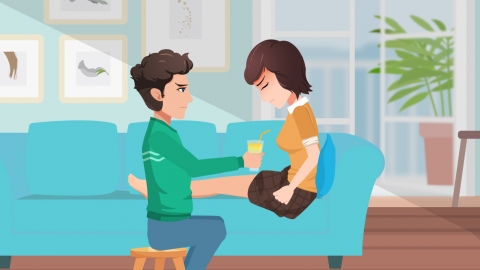
3. Replenish fluids and electrolytes
Heatstroke often leads to dehydration and electrolyte imbalance. It is important to drink small amounts of diluted salt water or oral rehydration solution frequently. Each intake should be about 100 mL to avoid drinking large quantities at once, which may irritate the gastrointestinal tract and cause vomiting.
4. Maintain an open airway
Lay the patient flat and loosen restrictive clothing such as collars and belts to ensure unobstructed breathing. If the patient vomits, immediately turn their head to one side and promptly clear any vomit from the mouth to prevent airway blockage.
5. Seek timely medical evaluation
Mild heatstroke may improve with on-site management. However, if symptoms such as body temperature exceeding 38.5°C, pale complexion, or low blood pressure occur, immediate medical attention is required. A doctor will determine whether medication for fever reduction or other professional treatments are necessary.
In daily care, during recovery, the diet should mainly consist of light, easily digestible liquid foods such as rice soup and thin porridge, avoiding spicy and greasy foods. Limit outdoor activities during midday in hot weather, use sun protection when going outside, and carry refreshing drinks. Regular exercise can strengthen physical fitness, enhance heat tolerance, and reduce the risk of heatstroke.





