What should I do if I accidentally swallowed chewing gum?
Nov 25, 2025
Source: Cainiu Health

Dr. Liu Chao
Introduction
In general, there's no need to panic if gum is accidentally swallowed. Key management steps include staying calm and not inducing vomiting, maintaining normal eating to help passage, monitoring bowel movements to confirm expulsion, paying extra attention to vulnerable populations, and preventing further accidental ingestion. When chewing gum, it's advisable to stay focused, especially for children, and consider choosing sugar-free gum to reduce sugar intake.
Generally speaking, there's no need to panic if you accidentally swallow chewing gum. The key management methods mainly include staying calm and not inducing vomiting, maintaining normal eating to promote excretion, observing bowel movements to confirm passage, paying extra attention for vulnerable groups, and preventing repeated accidental swallowing. A detailed explanation is as follows:
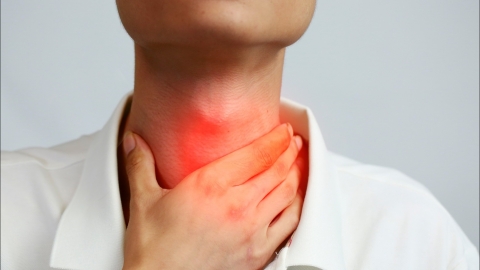
1. Stay calm and do not induce vomiting: Although chewing gum is not easily digested, it does not adhere to the gastrointestinal mucosa. The natural peristalsis of the intestines will gradually push it through and expel it. Inducing vomiting may damage the mucous membranes of the throat, and in children or elderly individuals, it could easily lead to aspiration, causing coughing or even suffocation. Therefore, never attempt to induce vomiting blindly.
2. Maintain normal diet to promote expulsion: It is advisable to consume more foods rich in dietary fiber, such as celery, spinach, whole grains, and bananas. Dietary fiber increases stool volume and stimulates intestinal motility, helping the gum pass out of the body more quickly with feces.
3. Monitor bowel movements to confirm expulsion: Chewing gum typically passes through the digestive system and exits within 1–3 days. During this time, pay attention to your bowel movements. If you don't clearly see it, there's no need to worry—most often, it has already passed unnoticed. The components of gum do not remain in the body long-term nor cause intestinal blockage.
4. Pay extra attention to vulnerable populations: Infants, elderly individuals, or those with gastrointestinal disorders should be especially cautious after swallowing gum. If symptoms such as abdominal pain, bloating, nausea, vomiting, or cessation of bowel movements and gas occur, it may indicate that the gum is affecting intestinal function, and medical evaluation should be sought promptly.
5. Prevent re-accidental swallowing: Develop good chewing habits—avoid talking, laughing loudly, or running while chewing gum. Children should be supervised by an adult when chewing gum, and should not chew while playing. Additionally, limit chewing duration to generally no more than 15 minutes to reduce the risk of accidental swallowing.
When chewing gum, stay focused, especially with children. Opting for sugar-free gum can also help reduce sugar intake. With proper handling, accidentally swallowed chewing gum usually poses no harm to the body, so there's no need for excessive concern.