


Under what circumstances do burns require skin grafting?
Nov 25, 2025
Source: Cainiu Health

Dr. Liu Wenmin
Introduction
In general, whether skin grafting is needed after a burn depends on the depth of the wound and its potential for healing. Skin grafting may be required in cases of deep burns, extensive burns, burns in special anatomical locations, infected or non-healing wounds, or scarred wounds affecting function. The specific skin grafting plan should be determined by a professional physician based on the burn condition and the patient's overall health.
Generally, whether skin grafting is needed after a burn depends on the depth of the wound and its healing potential. Skin grafting may be required in cases of deep burns, extensive burns, burns in special locations, infected or non-healing wounds, or scarred wounds affecting function. The details are as follows:
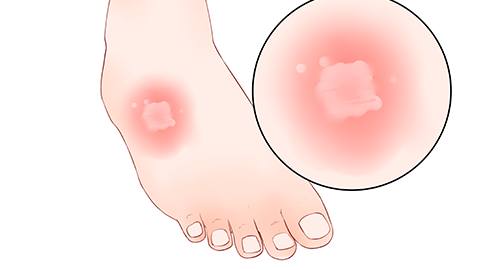
1. Deep burn wounds: Third-degree burns involve the full thickness of the skin and may extend to subcutaneous tissues. Since epithelial tissue cannot regenerate spontaneously, skin grafting is necessary to cover the wound. For deeper second-degree burns that have not healed within 2–3 weeks, skin grafting is also recommended to prevent subsequent infections and excessive scarring.
2. Extensive burn wounds: When the burned area exceeds 30% of the total body surface area, autologous skin resources are limited, yet rapid wound closure is essential. In such cases, staged skin grafting is often performed, sometimes combined with xenografts or artificial skin as temporary coverage to reduce the risks of infection and shock.
3. Burns in special locations: Even if the burn depth does not reach third degree, early skin grafting is commonly performed for burns on the face, hands, or joints to minimize scar formation and preserve both function and appearance.
4. Infected or non-healing wounds: If severe infection occurs after a burn, increasing the risk of sepsis, infected tissue must be debrided and the wound closed with a skin graft. For chronic wounds characterized by persistent exudation or老化 granulation tissue, skin grafting can promote healing.
5. Scarred wounds affecting function: Scars resulting from healed burns that cause joint contractures or restrict limb movement often require surgical excision followed by skin grafting to restore joint mobility, improve limb function, and enhance quality of life.
Skin grafting plans should be individually designed by professional physicians based on the extent of the burn and the patient's overall health. Immediate, standardized wound management after injury is crucial to lay a solid foundation for subsequent treatment. Postoperative wound care and rehabilitation training are also essential.





