


What reactions may occur when transfusing blood contaminated with bacteria?
Nov 25, 2025
Source: Cainiu Health

Dr. Wang Lei
Introduction
Transfusion of blood contaminated with bacteria may lead to reactions such as acute febrile response, circulatory dysfunction, gastrointestinal symptoms, cutaneous and mucosal manifestations, and multi-organ damage. Strict adherence to blood storage protocols and aseptic techniques prior to transfusion is key to preventing such reactions. Patients must be closely monitored during transfusion, and the procedure should be stopped immediately if any abnormalities occur.
Transfusion of blood contaminated with bacteria may trigger reactions such as acute febrile response, circulatory dysfunction, gastrointestinal symptoms, skin and mucous membrane manifestations, and multi-organ damage. A detailed analysis is as follows:
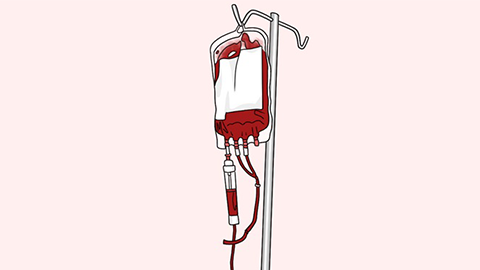
1. Acute febrile reaction: Patients rapidly develop chills followed by a sudden rise in body temperature, which may reach 39°C or even 40°C, accompanied by headache and general weakness. The fever results from bacterial toxins stimulating the body's thermoregulatory center. If the contaminating bacteria are highly virulent, the fever may persistently worsen and cannot be easily relieved with conventional antipyretic medications.
2. Circulatory dysfunction: Bacterial toxins can induce septic shock, characterized by rapid drop in blood pressure, increased heart rate, cold and clammy extremities, and pallor. In severe cases, patients may become confused or comatose, with poor venous filling and reduced urine output. Immediate cessation of transfusion and initiation of anti-shock treatment are required.
3. Gastrointestinal symptoms: Toxins irritate the gastrointestinal mucosa, leading to nausea and severe vomiting—often of gastric contents. Some patients may also experience abdominal pain and diarrhea, typically presenting as frequent episodes of watery stools. This can easily lead to dehydration and electrolyte imbalances, thereby exacerbating the condition.
4. Skin and mucous membrane manifestations: Some patients may develop facial flushing, pruritus (itching), or scattered red rashes, mostly maculopapular in nature and blanching upon pressure. If coagulation function is impaired, petechiae or ecchymoses may appear on the skin or gums, indicating involvement of the coagulation system.
5. Multi-organ damage: Prolonged infection and shock can impair multiple organs. Renal involvement manifests as oliguria or anuria; liver injury presents as jaundice and elevated transaminase levels; pulmonary involvement leads to dyspnea and cyanosis, potentially progressing to acute respiratory distress syndrome (ARDS) in severe cases.
Strict adherence to blood storage protocols and aseptic techniques prior to transfusion is key to preventing such reactions. Close monitoring of the patient during transfusion is essential. Any abnormal signs should prompt immediate cessation of transfusion, followed by anti-infective and supportive treatments to minimize health risks.



