What are the management measures for nitrite poisoning?
Nov 25, 2025
Source: Cainiu Health

Dr. Wang Lei
Introduction
In general, nitrite poisoning has a sudden onset, and management mainly includes immediately stopping ingestion, inducing emergency vomiting to eliminate toxins, seeking prompt medical treatment, providing symptomatic and supportive care, and strengthening preventive measures. Symptoms of nitrite poisoning typically appear 1–3 hours after consumption and commonly include cyanosis (bluish discoloration of the skin), nausea, and vomiting. It is important to maintain a strong awareness of food safety in daily life.
Generally, nitrite poisoning has a sudden onset and requires immediate management measures, including cessation of intake, emergency emesis for detoxification, prompt medical treatment, symptomatic supportive care, and enhanced preventive strategies. Specific details are as follows:
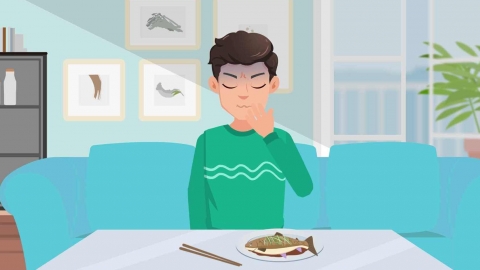
1. Immediate cessation of intake: Immediately stop consuming any suspected food items, such as cooked meat with abnormal color, spoiled leftover dishes, or pickled vegetables that have not been fully fermented, to prevent further entry of nitrites into the body. Preserve samples of the remaining food to assist doctors in identifying the source of poisoning.
2. Emergency emesis for detoxification: If the patient is conscious and the poisoning occurred recently, immediately use fingers or chopsticks to stimulate the back of the tongue and induce vomiting to expel residual food from the stomach. Before inducing vomiting, have the patient drink 200–300 mL of warm water to help dilute the toxin and facilitate its removal. Perform the procedure gently to avoid damaging the esophagus.
3. Prompt medical treatment: Regardless of symptom severity, call emergency medical services (e.g., 120) immediately after inducing vomiting. Inform the paramedics about the food consumed, time of ingestion, and symptoms. Doctors will administer antidotes such as methylene blue according to the situation and may perform gastric lavage or catharsis. Do not delay seeking timely medical intervention.
4. Symptomatic and supportive care: Prior to hospitalization, if the patient experiences dizziness or weakness, keep them lying flat with their head turned to one side to prevent aspiration of vomitus. If breathing difficulties occur, loosen the collar immediately to maintain an open airway, and provide oxygen if necessary.
5. Strengthen preventive measures: After recovery, identify the cause of poisoning. In daily life, avoid eating leafy greens stored for too long or pickled foods that are not thoroughly cooked. Be cautious when purchasing ready-to-eat meats, especially those with unusually bright colors.
Symptoms of nitrite poisoning typically appear 1–3 hours after ingestion and commonly include cyanosis (bluish skin), nausea, and vomiting. It is essential to enhance food safety awareness, properly store and prepare food, and reduce the risk of poisoning at its source.