


What are the symptoms of tonsillitis?
Nov 26, 2025
Source: Cainiu Health

Dr. Lu Cheng
Introduction
In general, tonsillitis, as a common upper respiratory tract infection, mainly presents symptoms such as sore throat, difficulty swallowing, throat redness and swelling, fever, and voice changes. The most typical symptom of tonsillitis is sore throat, which initially often manifests as mild burning pain concentrated on both sides of the throat. The pain gradually worsens as the inflammation progresses.
Generally, tonsillitis, as a common upper respiratory tract infection, mainly presents symptoms such as sore throat, difficulty swallowing, throat redness and swelling, fever, and voice changes. A detailed analysis is as follows:
1. Sore throat: The most typical symptom of tonsillitis is a sore throat. Initially, it often manifests as a mild burning pain localized on both sides of the throat. As inflammation progresses, the pain gradually worsens and becomes particularly noticeable during swallowing or speaking. In some cases, the pain may radiate to the ears, affecting normal communication.
2. Difficulty swallowing: Due to throat pain and enlarged tonsils, swallowing movements are significantly affected. Individuals may experience effortful swallowing or find it difficult for food to pass down. In severe cases, swallowing may be avoided altogether, limiting intake to small amounts of liquid or semi-liquid foods, which can lead to reduced appetite.
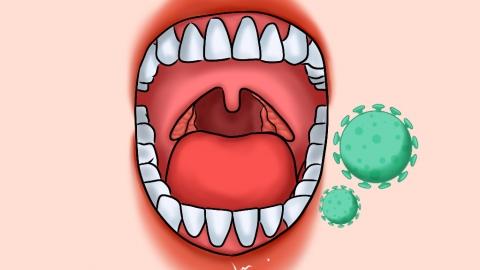
3. Throat redness and swelling: Examination of the throat reveals obvious redness and swelling of the tonsils and surrounding mucosa. The tonsil surface may show white or yellow pus-like secretions, which in some cases can merge into patches. The extent of redness and swelling correlates with the severity of inflammation—the more severe the inflammation, the broader the swollen area.
4. Fever: Stimulation of the immune system by inflammation often leads to fever, with body temperature typically ranging from 38°C to 39°C. In more severe cases, temperature may exceed 39°C. Fever may be accompanied by symptoms such as headache, fatigue, and body aches. The duration of fever varies depending on the individual's recovery progress.
5. Voice changes: Inflammation in the throat causes congestion and edema of the vocal cords and surrounding tissues, resulting in voice alterations—such as hoarseness, a deeper voice, or muffled speech. Voice usually returns to normal gradually after the inflammation subsides.
In daily life, it is recommended to drink plenty of warm water, maintain a light diet, ensure adequate rest, and minimize throat irritation to help alleviate discomfort.



