


What are the symptoms of rhinitis?
Nov 26, 2025
Source: Cainiu Health

Dr. Lu Cheng
Introduction
In general, common symptoms of rhinitis include nasal congestion, runny nose, sneezing, nasal itching, and reduced sense of smell. If discomfort occurs, it is recommended to seek timely medical treatment at a正规 hospital. In addition, rhinitis may also be accompanied by symptoms such as headache, itchy eyes, and tinnitus. In daily life, one should maintain indoor cleanliness, avoid known allergens, and take protective measures when going outdoors.
Nasal inflammation commonly presents symptoms such as nasal congestion, runny nose, sneezing, nasal itching, and reduced sense of smell. If discomfort occurs, it is recommended to seek timely medical evaluation and treatment at a reputable hospital. Specific analysis is as follows:
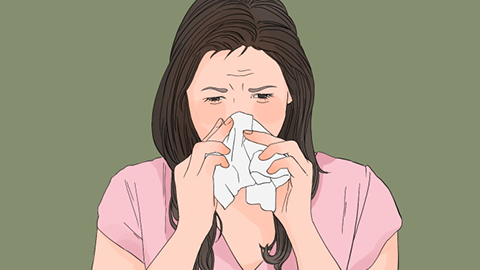
1. Nasal Congestion
Nasal congestion refers to impaired airflow through the nasal passages and may affect one or both sides, sometimes becoming severe enough to require mouth breathing. This symptom usually results from nasal mucosal congestion and swelling due to irritation, or increased secretion from mucosal glands blocking the nasal airway, thereby obstructing airflow. Symptoms may worsen at night, affecting sleep quality.
2. Runny Nose
A runny nose typically involves increased clear or mucous discharge, which may occasionally become purulent. Clear, watery discharge is often triggered by allergies or viral infections that stimulate excessive secretion from nasal mucosal glands. Mucous or purulent discharge is more commonly associated with bacterial infection; inflammation alters the characteristics of secretions, and frequent wiping can lead to perinasal skin irritation.
3. Sneezing
Sneezing often occurs in paroxysmal episodes, with several consecutive sneezes at once, frequently accompanied by clear nasal discharge. When the nasal mucosa is stimulated by allergens such as pollen or dust mites, nerve endings become excited and transmit signals to the central nervous system, triggering a reflex action aimed at expelling foreign particles from the nasal cavity. However, this can interfere with daily work and social activities.
4. Nasal Itching
Nasal itching manifests as an intense, unbearable itch inside the nasal cavity or around the nose, often prompting uncontrollable rubbing. Allergic reactions are the primary cause: when allergens bind to antibodies on the surface of the nasal mucosa, substances like histamine are released, stimulating nerve endings and causing itching. Excessive rubbing may damage the nasal mucosa and exacerbate discomfort.
5. Reduced Sense of Smell
Reduced olfaction refers to decreased sensitivity to odors, and in severe cases, complete inability to distinguish smells. Nasal mucosal congestion, swelling, or inflammatory involvement of the olfactory region can block odor molecules from reaching olfactory nerve endings, or directly damage the olfactory nerves, resulting in impaired olfactory conduction and diminished perception of food aromas.
In addition, rhinitis may also be accompanied by symptoms such as headache, itchy eyes, and tinnitus. In daily life, it's important to maintain indoor cleanliness, avoid known allergens, take protective measures when going outdoors, and seek prompt intervention upon symptom onset to prevent chronic progression.







