What is Ménière's disease?
Nov 26, 2025
Source: Cainiu Health

Dr. Lu Cheng
Introduction
In general, Ménière's disease, also known as Meniere's disease, is an inner ear disorder primarily characterized by recurrent episodes of vertigo, hearing loss, tinnitus, and a sensation of fullness in the ear. Maintain regular作息 (daily routine), avoid staying up late, and ensure adequate sleep to stabilize physical condition. Follow a light, low-salt diet to reduce the risk of fluid accumulation in the inner ear, and avoid consuming coffee, strong tea, and alcohol.
Generally, Ménière's disease, also known as Meniere's disease, is an inner ear disorder characterized primarily by recurrent episodes of vertigo, hearing loss, tinnitus, and a sensation of fullness in the ear. A detailed analysis is as follows:
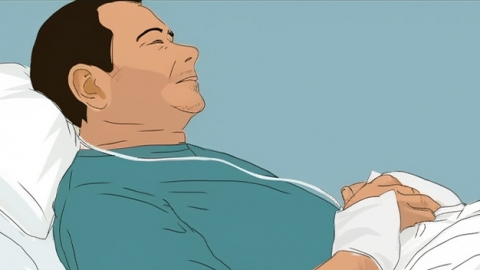
Ménière's disease is an inner ear condition mainly caused by endolymphatic hydrops—fluid accumulation in the membranous labyrinth of the inner ear. The inner ear is responsible for balance perception and sound transmission. When metabolic disturbances occur in the inner ear, or when lymphatic channels become obstructed or blood vessels undergo spasms, fluid builds up within the membranous labyrinth, increasing pressure. This stimulates the auditory and vestibular sensory receptors, leading to recurrent attacks of rotational vertigo, fluctuating hearing loss, tinnitus, and aural fullness. Emotional fluctuations, excessive fatigue, and noise exposure are common triggers.
Maintain regular作息 (daily routines) and avoid staying up late; ensure sufficient sleep to stabilize your physical condition. Follow a light, low-salt diet to reduce the risk of fluid accumulation in the inner ear, and avoid consuming coffee, strong tea, and alcohol. Keep your mood balanced, learn to manage stress, and prevent sudden emotional changes that may trigger symptoms. Take care when going out; during an attack, rest in bed as much as possible and avoid traveling alone. Seek medical attention promptly if symptoms worsen or occur more frequently, so that treatment can be adjusted accordingly.