


Is nasal polyp surgery minimally invasive or open surgery?
Nov 26, 2025
Source: Cainiu Health

Dr. Lu Cheng
Introduction
In general, nasal polyp surgery includes both minimally invasive and traditional open surgical approaches. The choice between them depends on a comprehensive evaluation of the patient's condition, polyp location, overall health, and other factors. If surgery is needed, it is recommended to seek medical attention promptly and have a professional physician assess the case to determine the most appropriate surgical plan. A detailed analysis is as follows:
In general, nasal polyp surgery may involve either minimally invasive techniques or traditional open surgery. The choice between the two depends on a comprehensive assessment of the patient's condition, including the location and extent of the polyps, as well as overall health status. Individuals considering surgery should seek timely medical consultation so that a professional physician can evaluate their case and determine the most appropriate surgical approach. Detailed analysis is as follows:
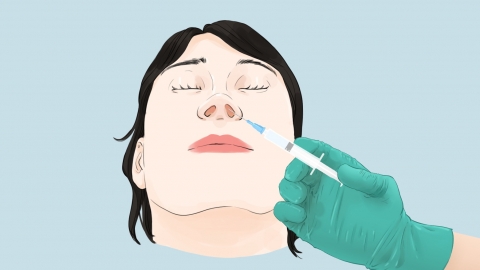
Minimally invasive surgery is preferred when polyps are small, localized, and have not invaded complex sinus structures, and when the patient has good cardiopulmonary function and no severe coagulation disorders. This approach uses endoscopic visualization to precisely operate with minimal damage to surrounding tissues, resulting in faster postoperative recovery. It is suitable for most patients with newly diagnosed or mild disease. However, if polyps are extensively adhered, deeply rooted, or if the patient has contraindications to endoscopic procedures, minimally invasive methods may fail to completely remove the lesions and thus are not recommended.
Traditional open surgery is more appropriate for cases involving large polyps that invade the bony walls of the sinuses or are accompanied by severe sinus anatomical deformities. When lesions are widespread and cannot be adequately accessed with minimally invasive instruments, an open incision allows for thorough removal of diseased tissue and offers greater surgical efficacy. However, this method is unsuitable for patients who are extremely frail and unable to tolerate general anesthesia or surgical trauma, as well as those with localized lesions that do not require extensive open procedures.
After surgery, it is important to maintain nasal hygiene. Gentle irrigation with normal saline is recommended, while forceful nose-blowing or picking should be avoided. A light diet is advised, avoiding spicy and irritating foods, and adequate rest should be ensured. If persistent nasal bleeding, worsening pain, fever, or other concerning symptoms occur, prompt medical follow-up is necessary.








