


Can people with allergic rhinitis eat sea cucumber?
Nov 26, 2025
Source: Cainiu Health

Dr. Lu Cheng
Introduction
Generally, patients with allergic rhinitis who are not allergic to seafood can consume sea cucumber in moderation. However, those allergic to seafood or experiencing an acute flare-up of rhinitis should avoid it. Patients with allergic rhinitis should identify their specific allergens and avoid exposure in daily life. Their diet should be light and easy to digest, emphasizing fresh vegetables and fruits. They should maintain regular sleep patterns and practice proper nasal hygiene to reduce the accumulation of allergens.
Generally, patients with allergic rhinitis who are not allergic to seafood can consume sea cucumber in moderation. However, it is not recommended for those allergic to seafood or those currently experiencing an acute episode of rhinitis. Detailed explanations are as follows:
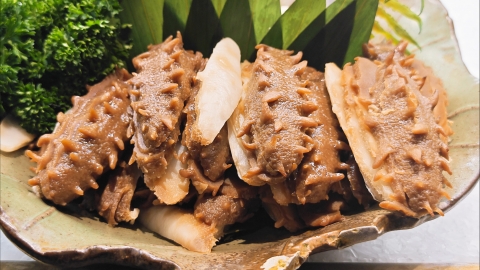
Sea cucumber is rich in high-quality protein, amino acids, and other nutrients. For patients without a history of seafood allergy, moderate consumption during stable phases of rhinitis can help supplement nutrition and enhance immune function. Before eating, ensure the sea cucumber is fresh, thoroughly cleaned, and fully cooked. Limit intake to one serving per time to avoid overburdening digestion; such careful consumption typically does not trigger or worsen rhinitis symptoms.
Since sea cucumber is a type of seafood, individuals with known seafood allergies may experience immune system activation after consumption, leading to allergic reactions such as nasal itching, sneezing, and runny nose, thereby exacerbating rhinitis. During acute episodes of rhinitis, the nasal mucosa is already congested and swollen, and the body's sensitivity is heightened. Consuming foreign proteins like sea cucumber at this time may provoke stress responses and prolong symptoms.
Patients with allergic rhinitis should identify their specific allergens and avoid exposure. A daily diet should be light and easy to digest, including plenty of fresh fruits and vegetables. Maintaining regular sleep patterns and performing routine nasal hygiene can help reduce allergen residue and support stable disease management.



