


Do you need injections for allergic rhinitis?
Nov 26, 2025
Source: Cainiu Health

Dr. Lu Cheng
Introduction
In general, whether injections are needed for allergic rhinitis depends on the severity of the condition and specific treatment requirements. If discomfort occurs, it is recommended to seek medical attention promptly. In daily life, identify the allergens and try to avoid them. Limit outdoor activities during spring and autumn when pollen levels are high, and wear a mask and protective eyewear when going outside. Keep indoor areas clean and regularly wash bedding and curtains.
In general, whether injections are needed for allergic rhinitis depends on the severity of the condition and specific treatment requirements. If discomfort occurs, it is recommended to seek medical attention promptly. The detailed analysis is as follows:
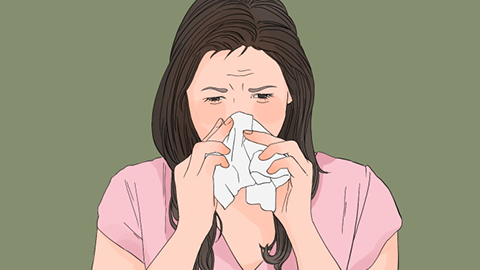
Injections may be used for allergic rhinitis when symptoms are severe and oral medications are ineffective. For example, if severe nasal congestion or runny nose affects sleep and breathing, or complications such as asthma occur, inflammation can be rapidly controlled by injecting corticosteroids, such as methylprednisolone sodium succinate injection. Antihistamines like diphenhydramine injection may also be administered to relieve allergic reactions and help the body return to a more comfortable state more quickly.
Mild allergic rhinitis usually does not require injections. In such cases, symptoms are minor—such as occasional sneezing and slight nasal discharge—and can be effectively managed with oral medications and topical treatments. For instance, taking loratadine tablets or using budesonide nasal spray can adequately relieve symptoms. Injection therapy is unnecessary, as oral and local treatments are more convenient and safer.
In daily life, it is important to identify allergens and avoid them as much as possible. Limit outdoor activities during spring and autumn when pollen levels are high, and wear masks and protective eyewear when going outside. Maintain indoor cleanliness, regularly wash bedding and curtains to reduce dust mite growth. Frequently rinse the nasal cavity with saline solution to keep it moist and clean. Maintain a regular作息 routine to strengthen physical health and reduce the frequency and severity of allergic reactions.



