


How to quickly relieve headache caused by rhinitis
Nov 27, 2025
Source: Cainiu Health

Dr. Lu Cheng
Introduction
Quick relief of headaches caused by rhinitis can generally be achieved through improving nasal airflow, massaging and relaxing the head, applying heat to promote circulation, adjusting body position for rest, and using appropriate medications. Nasal irrigation with saline solution helps clear nasal secretions, reduce congestion and swelling of the nasal mucosa, restore nasal patency, and alleviate hypoxia-related headaches due to nasal obstruction. Keep your head slightly forward during irrigation.
Nasal inflammation-induced headaches can be quickly relieved through several methods, including improving nasal airflow, head massage and relaxation, applying heat to promote circulation, adjusting body position for rest, and using appropriate medications. Detailed explanations are as follows:
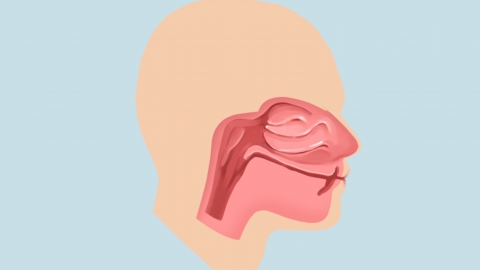
1. Improve Nasal Airflow: Rinse the nasal cavity with saline solution to clear secretions, reduce congestion and swelling of the nasal mucosa, restore unobstructed breathing, and relieve headache caused by cerebral hypoxia due to nasal blockage. Keep your head slightly forward during rinsing to prevent liquid from flowing into the throat.
2. Head Massage and Relaxation: Gently massage the temples, forehead, and back of the neck using the fingertips. Apply moderate pressure for 5–10 minutes per session. This helps improve blood circulation in the head, relax tense muscles, and reduce headache discomfort caused by rhinitis.
3. Heat Application to Promote Circulation: Apply a warm towel to the bridge of the nose, forehead, and neck for about 15 minutes at a time. The warmth helps relieve nasal mucosal spasms, improves blood circulation in the head, and reduces the sensation of pressure or pain caused by rhinitis. Be cautious of the towel’s temperature to avoid burns.
4. Adjust Body Position for Rest: Rest in a semi-reclining or slightly head-elevated position to prevent nasal secretions from draining backward when lying flat, which may worsen nasal congestion and headaches. Ensure good indoor ventilation and avoid dry or polluted air that could irritate the nasal mucosa, helping to alleviate symptoms.
5. Use Symptomatic Medications: Under medical guidance, use medications that treat rhinitis, such as nasal sprays or oral drugs, to reduce inflammation and swelling of the nasal mucosa and improve nasal airflow. Addressing the root cause of rhinitis helps relieve associated headaches. Always follow dosage instructions carefully to avoid overuse.
If headaches persist, are accompanied by high fever, or involve blurred vision, seek medical attention promptly. In daily life, avoid exposure to allergens such as dust and pollen—common triggers of rhinitis—to reduce the frequency of headache episodes and maintain nasal health.



