


Which department should I visit for a sore throat and tonsillitis?
Nov 27, 2025
Source: Cainiu Health

Dr. Ren Yi
Introduction
When experiencing sore throat and tonsillitis, the choice of medical department should be based on specific symptoms and severity. Generally, appropriate departments include otolaryngology, general outpatient clinic, pediatrics, respiratory medicine, or emergency medicine. If symptoms are primarily characterized by tonsil enlargement, significant throat pain, and difficulty swallowing, without other severe systemic symptoms, otolaryngology is the preferred department.
When experiencing sore throat and tonsillitis, the choice of medical department should be based on specific symptoms and their severity. Generally, you may visit departments such as Otolaryngology (ENT), General Practice, Pediatrics, Respiratory Medicine, or Emergency Medicine. The details are as follows:
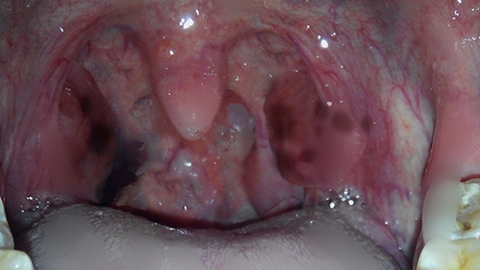
1. Otolaryngology (ENT): If symptoms primarily include swollen tonsils, significant throat pain, and difficulty swallowing, without other severe systemic symptoms, it is best to first visit the otolaryngology department. This specialty focuses on diseases of the ear, nose, and throat. Doctors can assess the severity of tonsillar inflammation through professional examinations and provide targeted treatments such as local medication or symptomatic management.
2. General Practice: If symptoms are mild—such as slight sore throat and mild redness or swelling of the tonsils—and there is no nearby ENT specialist clinic available, a general practice clinic is suitable. General practitioners can perform initial assessments, prescribe basic medications, and refer patients to specialized departments if the condition is complex. This option is ideal for routine care of mild cases.
3. Pediatrics: When children experience sore throat and tonsillitis, it is recommended to visit the pediatric department. Pediatricians are more familiar with children's physiology and medication guidelines. They can adjust treatment plans according to the child’s age and weight, while also considering the child's tolerance for examinations and treatments, thus providing care better suited to children's needs.
4. Respiratory Medicine: If tonsillitis is accompanied by respiratory symptoms such as cough, sputum production, chest tightness, or fever, there may be an associated respiratory tract infection. In such cases, visiting the respiratory medicine department is more appropriate. Specialists in this field can evaluate the overall health of the respiratory system and help identify any overlooked infectious foci.
5. Emergency Department: Immediate emergency care is required if severe complications occur—such as significantly enlarged tonsils causing breathing difficulties, persistent high fever (above 39°C), or intense pain during swallowing that prevents eating. The emergency department can rapidly manage acute conditions, alleviate life-threatening symptoms through urgent interventions, and stabilize the patient for further specialized treatment.
Before visiting, check the hospital's platform for up-to-date information on clinic availability to avoid unnecessary trips. When seeking care, clearly describe the onset time of symptoms and any associated manifestations to help doctors make a quick and accurate diagnosis.



